Blog
News and ideas worth your attention.
Four decades of writing on living long and living well, with 1,000+ posts on functional and longevity medicine.
153 written by Dr. Frank Lipman in Healthy Aging
Clear ✕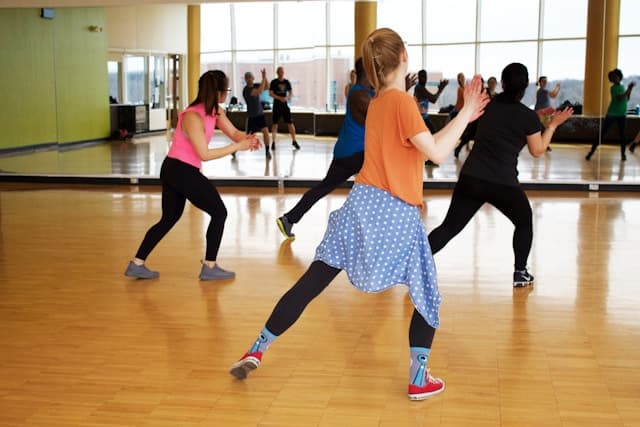 Sep 14, 2026 · Healthy Aging
Keep Dancing: Why Moving to Music Can Help You Age Better
Discover how dancing can support healthy aging by boosting brain health, mood, cardiovascular fitness, balance, social connection and longevity.
 Sep 7, 2026 · Healthy Aging
Beyond Blood Sugar: Why SGLT2 Inhibitors Have Longevity Scientists Excited
Explore the emerging science of SGLT2 inhibitors and longevity, from heart and kidney protection to their potential effects on inflammation, metabolism and healthy aging.
 Aug 31, 2026 · Healthy Aging
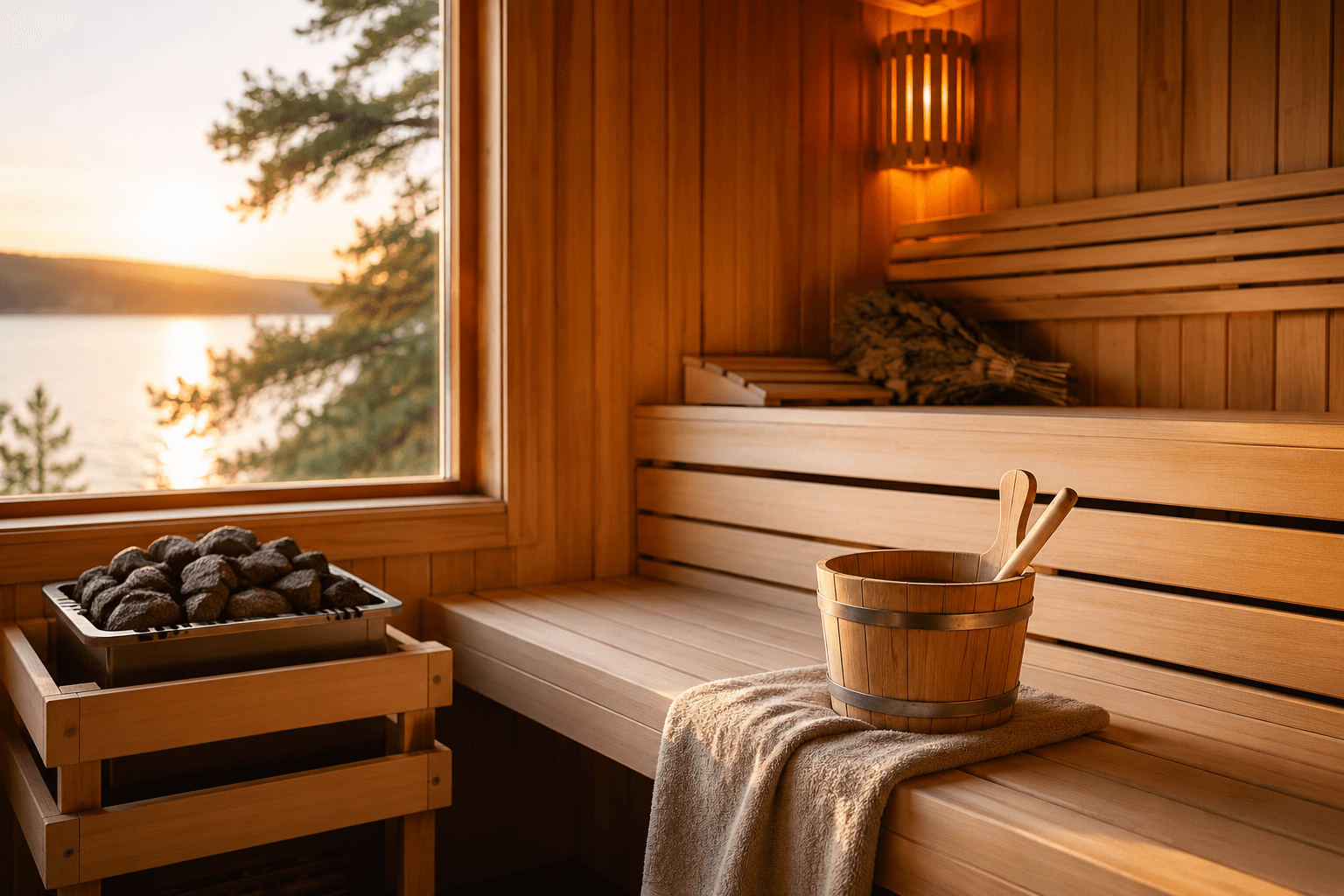
Sauna Your Way to a Longer, Healthier and Happier Life
Discover the science-backed benefits of sauna bathing for longevity, heart and brain health, inflammation, recovery and sleep—and how often to sauna.
 Aug 24, 2026 · Healthy Aging
5 Reasons Why Kicking the Multitasking Habit Can Help You Age Better
Your brain was never designed to multitask. What we call multitasking is really rapid task-switching, and every switch comes at a cost, not just to productivity, but to memory, attention, stress levels, blood pressure, eating habits, and over time, the health of your nervous system. Healthy aging isn't built only on exercise, nutrition, and sleep. It's also shaped by thousands of small choices we make every day, including how we direct our attention. Protecting your focus may be one of the simplest and most overlooked investments you can make in the health of your future brain and body.
 Aug 17, 2026 · Healthy Aging
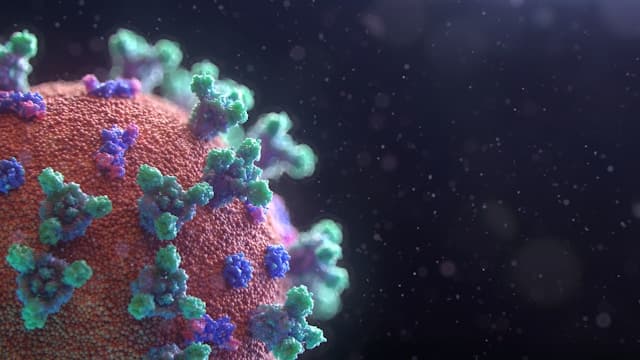
Stealth Infections May Be Speeding Up Your Aging Process – Here's How to Push Back
Most of us think of aging as something that happens entirely inside the body—our cells wear out, our systems slow down, and disease gradually takes hold. But emerging science suggests a more unsettling reality: aging may be profoundly shaped by what enters us from the outside. Viruses, bacteria, fungi, and other pathogens don’t just cause infections and disappear. They can linger silently for years, fueling chronic inflammation, exhausting the immune system, disrupting metabolism, and accelerating the biological processes that drive aging. Scientists now believe these hidden microbial burdens may help explain why we age faster and become more vulnerable to heart disease, dementia, cancer, and frailty. The implications are both sobering and fascinating.
 Aug 3, 2026 · Healthy Aging
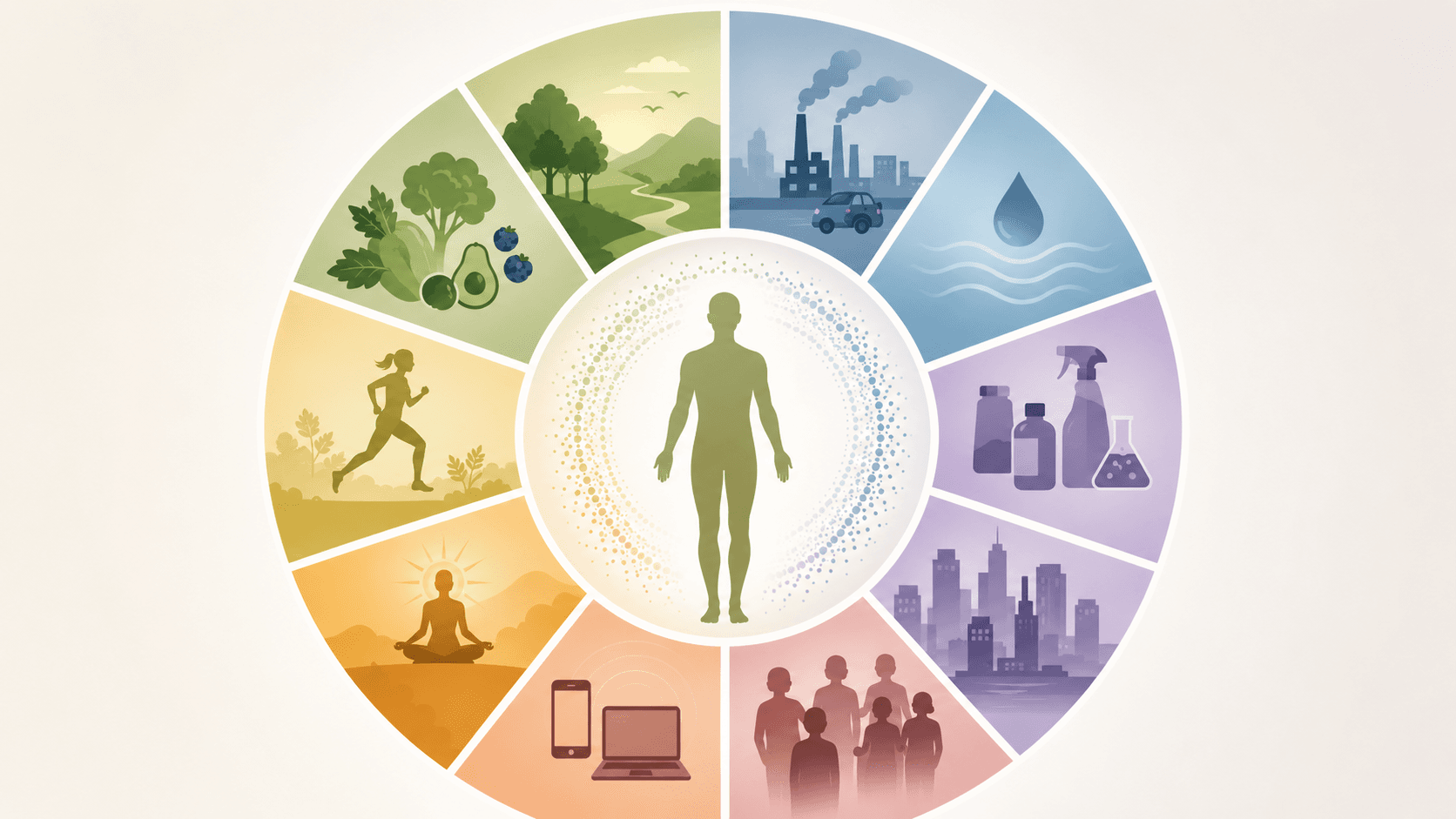
Meet Your Exposome: The Hidden Force That’s Shaping How Fast You Age
So, how’s your exposome? You know, the totality of everything outside your body that can impact it, from infectious pathogens and industrial chemicals to diet, exercise, chronic stress, and even loneliness. Whether we think about it or not, together, these exposures leave a measurable biological footprint that can influence how we age and our risk for chronic disease. New research suggests that this collection of everyday exposures may have a greater impact on longevity than the genetic risks we inherit. The message is both sobering and empowering: while we can't change the genes we were born with, many of the most important influences on our health are within our control. Here's what the emerging science of the exposome means—and where it matters most in everyday life.
 Jul 20, 2026 · Healthy Aging
Aging Isn’t Just Wear and Tear - It’s Dysregulation — and it’s Time You Tame It
There’s the sympathetic nervous system that puts the body in high alert mode—raises body temperature, heart rate, blood pressure, blood sugar, respiration, the works—and primes us for action. And then the parasympathetic system cools everything down, letting the body reset and repair. Together they make up our “autonomic nervous system” that either controls or at least strongly influences the physiology that operates below the level of conscious awareness. If we’re young and healthy, the sympathetic and parasympathetic systems toggle back and forth almost effortlessly, responding to the day’s challenges and recharging at night. But as we get older, we tend to get stuck in high gear – the sympathetic system dominates – and we pay a price for that. The parts wear out; we generate more metabolic waste. We can’t sleep properly, compounding the damage. Net result: we age faster.
 Jul 6, 2026 · Healthy Aging
Beyond Resveratrol: The Surprising Second Act of Sirtuins
You may, or may not, have heard of sirtuins, a family of enzymes that influence the way our genes do their job of making the proteins that run our bodies. But I’d be willing to bet that most of my readers are familiar with resveratrol, the compound found in red wine. That’s because, about twenty years ago, the resveratrol/sirtuin story was front-page news. Since then, the excitement over resveratrol has cooled off somewhat. But, what’s taken its place is a more sophisticated conception of human aging, one that’s mediated by the balance between growth – new proteins, new tissues -- and cellular maintenance and repair.
 Jun 22, 2026 · Healthy Aging
10 Thoughts on How to Tap into the Anti-Aging Power of a Truly Good Night’s Sleep
I like to think of sleep as the essential “backstage” human function. The audience is paying attention to what’s going on on-stage – sword fights, great romantic gestures – but backstage is where the real drama takes place as sets, props, costumes are assembled for the next scene. Ditto sleep. While we’re lights out, the brain, our stage manager, juggles the hormonal and metabolic machinery responsible for cellular cleaning, repair, rebuilding. That’s what’s required for the show to go on the next morning and, we hope, for many decades to come. Call it aging well. When sleep goes off the rails – I’m not talking about the occasional bad night but an entrenched pattern of insufficient or fragmented sleep – it throws off the balance of all those moving parts –and rapid aging kicks into high gear.
 Jun 8, 2026 · Healthy Aging
The Melatonin–Mitochondria Connection: What New Research Says About Aging Better
Research indicates that melatonin and mitochondria are intertwined. For starters, most of the body’s melatonin supply is actually produced inside the mitochondria, think of it as the oil that keeps the car engine running smoothly. And with age, not only does that engine (mitochondria) put out less power, and generate more exhaust (metabolic waste), but the oil levels (melatonin) drop as well. That creates a vicious cycle that, with the passing of the decades, make us look and feel older, not to mention becoming more prone to chronic disease. But when we really understand what’s going on, we have the tools and the opportunity to start to push back.
 Jun 1, 2026 · Healthy Aging
Meet the ‘Spans’: The Smarter Way to Push Back on Aging
Longevity used to be a numbers game: he/she who lives longest, wins. But that idea is quietly fading. Today, the focus has shifted from sheer years to something more meaningful: how well those years are actually lived. First came “healthspan,” measuring life without disease. Useful, but incomplete. So, now’s the time to meet the spans, actually, the twelve individual “spans” – covering everything from energy to brain power to mobility to considerably more – which together, give us a clearer picture of our ‘peakspans’. By breaking it down to twelve, you’ll get sense of the breadth of our human physiology (and psychology), and how it can best be harnessed to add up to one long robust life.
 May 25, 2026 · Healthy Aging
You Carry APOE4. Now What? A Practical Guide to Protecting Your Brain
APOE4 may raise your risk for Alzheimer’s, but it’s not a life sentence, but it is a signal to act. It is a marker for Alzheimer’s risk. It is not a crystal ball. Just because your test tells you that you’ve got one of the “4” variants doesn’t mean you’re fated to get AD. What it does tell you is that you’re running a greater-than-average risk and that means you need to be that much more diligent about healthy habits and lifestyle, which is a good idea for everybody, no matter what genes they were dealt. Here’s what you need to know.
 May 4, 2026 · Healthy Aging
Senolytics: The New Science of Aging Better, Not Just Longer
Aging is no longer regarded as this fundamentally mysterious thing that will always be beyond our control. We’re beginning to come up with therapies that can slow these processes down. Nowhere is the buzz these days more intense than around ‘senolytics’. The term refers to a handful of supplements which contain, in concentrated form, compounds found in many fruits and vegetables. They offer the potential to turn the dial down on chronic inflammation, one of the prime movers, if not the main one, behind the aging process.
 Apr 13, 2026 · Healthy Aging
Beyond Lifespan and Healthspan: Meet ‘Peakspan’ – the Real Measure of Aging Well
For years, both modern medicine and the longevity world have focused on helping us live longer. And we’ve succeeded, gaining years, even decades of extra life. But here’s what doesn’t get talked about enough: living longer doesn’t always mean living well for longer. Many people spend later life in a kind of middle ground. Not quite sick, but not functioning at their best either. That’s where the idea of peakspan comes in. Peakspan offers a window into your life where your body and brain are operating at 90% or more of their maximum ability. It shifts the goal from simply staying alive to staying strong, sharp, and capable. Because ultimately, it’s not just about adding years, but protecting the ones where you feel most like yourself.
 Apr 6, 2026 · Healthy Aging
The Power of Mitochondria: Energy, Aging, and the Science of Staying Vital
Mitochondria live inside nearly every cell in your body, and they perform one of the most important jobs there is. They convert the nutrients in the food you eat and the oxygen you breathe into usable energy. If your mitochondria aren’t well supported, energy production may start to slide. In fact, researchers now believe that mitochondrial health plays a significant role in how we age. Current thinking is that how well you care for these microscopic energy factories may, to a significant extent, determine whether you stay vibrant and energized with the passing of the years or start feeling like an elder long before your time.
 Mar 30, 2026 · Healthy Aging
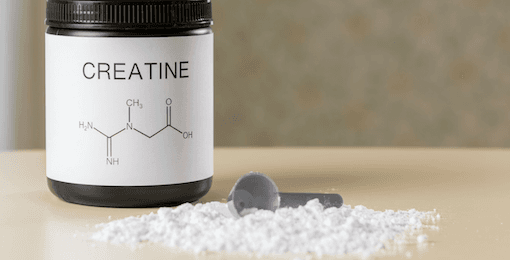
More Than Muscle: Creatine Fuels Brain Power and Healthy Aging
We all know about creatine, the stuff that body builders and gym rats buy in tubs to help pump up their physiques. But it isn’t only muscles that need energy. Your brain has to do a lot of thinking, that and overseeing virtually every process in your body, all of which requires a generous fuel supply. Researchers are beginning to uncover gains in cognitive sharpness, memory, even protection against dreaded neurodegenerative diseases like Alzheimer’s. And that makes creatine a potentially very powerful longevity enhancer. Given that creatine levels decline with age, I now recommend it to my middle-aged and older patients, in measured and monitored doses.
 Mar 23, 2026 · Healthy Aging
7 “Healthy” Habits That Can Age You Far Too Fast
When I started my practice decades ago, a big part of it was educating patients on the health basics. Fast forward a few decades and the tide has turned, thanks in large measure to the wealth of information available on the internet. Patients now arrive with a much better baseline understanding of health and how to influence it. Which is great except that too much information can mislead almost as often as enlighten, and myths are often taken as gospel. When these ideas get over-simplified or just plain misunderstood, you can wind up accelerating the very processes that drive biological aging.
 Mar 16, 2026 · Healthy Aging
14 Ways to Maintain a Youthful Brain – by Curbing Chronic Inflammation
While there are many factors believed to contribute to diseases like Alzheimer’s, Parkinson’s and various forms of dementia, one biological common thread that keeps showing up across countless studies is chronic inflammation, often also referred to as “inflammaging.” One of the organs that’s particularly sensitive to easily damaged by years of unchecked chronic inflammation? It’s your brain. But the good news is that chronic inflammation is heavily influenced by the choices we make every day, and when done right, you can shift your brain health in a positive direction for decades to come – so the time to start is now.
 Feb 23, 2026 · Healthy Aging
10 Ways Exercise Rewires, Slows — and Even Reverses Aging
Most of us were raised to believe you get older, your genes blow the whistle, your body ‘breaks.’ Fortunately for us, modern biology has been quietly rewriting that story and the new version is a lot more hopeful. Over the last few decades, researchers have mapped out a set of common biochemical changes which, over time, tend to push us in the direction of disease and frailty. These subtle shifts, known collectively as the ‘hallmarks of aging.’ The good news is that most, quite possibly all, of these hallmarks respond positively to healthy lifestyle habits. If a long, healthy life is what you’re shooting for, one of the hands-down most powerful habits you can cultivate is movement.
 Feb 16, 2026 · Healthy Aging
Meet AMPK: The Energy Switch You’ve Likely Not Heard of But Use Every Day
Most people outside the medical or research world probably aren’t familiar with AMP-activated protein kinase, or AMPK. But it influences how you experience every day of your life, like how steady your energy levels feel, how easily your body shifts between storing and using fuel, and how effectively your cells recover from stress and damage. Think of it this way: AMPK sets the table for long-term metabolic health and healthy aging.
 Feb 9, 2026 · Healthy Aging
Why I’m Fascinated with Rapamycin — but Not Taking It Yet
Over the past few years, rapamycin has garnered a tremendous amount of buzz, frequently showing up on podcasts, blog posts, scientific papers, and online forums. Some outlets treat it like the most promising anti-aging intervention mankind has ever seen while others view it’s ‘next big thing-ness’ as a dangerous overreach. I fall somewhere in the middle: fascinated by the science, cautious about the risks, and not yet persuaded that the current evidence is strong enough to justify all-purpose “off-label” use. All that said, rapamycin still has plenty of potential as a longevity therapy in the not-too-distant future.
 Feb 2, 2026 · Healthy Aging
Are You Aging Out of Sync? Circadian Rhythm Dysfunction May Be To Blame!
Aging is inevitable, but that doesn’t mean it’s an uncontrollable free fall. There are ways to slow the pace at which resilience fades and the body breaks down. One of the simplest, most direct, and most overlooked strategies is working with your internal clock — and preventing circadian rhythm dysfunction from quietly speeding the process along. Circadian rhythm dysfunction is a surprisingly potent accelerator of aging — and most of us don’t even realize it’s happening.
 Jan 26, 2026 · Healthy Aging
Your Longevity Superpower: How Muscles Keep Your Heart, Brain and Body Younger Longer
For decades, having a good amount of muscle was considered optional — nice to have if you wanted to look toned or perform well in sports, but few thought of it as essential to health. That view has changed dramatically. Today, researchers increasingly describe skeletal muscle as a primary longevity organ, a biological system that actively determines how well we age rather than passively reflecting it. Turns out, muscle influences nearly every system that matters for a long, healthy life: metabolism, immune defense, cardiovascular function, brain health, resilience to illness, and physical independence. When muscle tissue is strong and active, aging slows. When it declines, the entire system becomes more fragile.
 Jan 19, 2026 · Healthy Aging
Slow Your Aging Roll Overnight – With Longevity-Loving Sleep!
The bedside table light turns off, you slip into unconsciousness and the business of living is put on hold until you wake up in the morning. Except that’s not really how sleep works. While you’re conked out, the body is busily engaged in a slew of renovation and repair operations that human life depends on. And it’s the difference between good sleep – 7-9 hours a night – and insufficient poor-quality sleep that helps determine how well, nor not so well, we age. Sleeping well and enough helps tame the inflammation ages us and nearly every system in the body. So, if your body is operating in a high inflammation state, you’re aging faster, and in a low inflammation state, slower.