Nutrition
The Ultimate Low-Tech, High Taste Biohack: 10 Spices to Get More Of
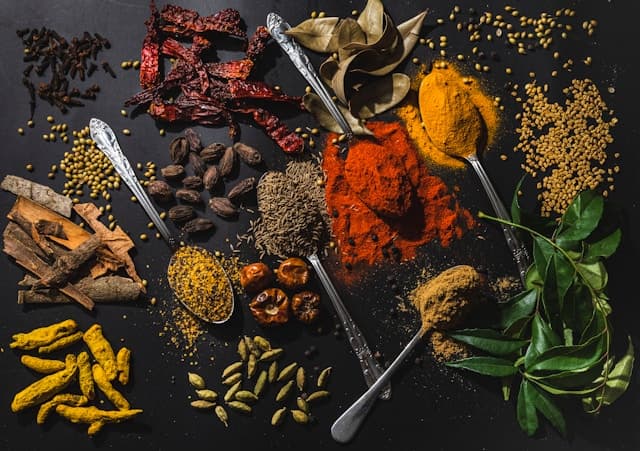
Anyone who knows me knows that although I am not much of a cook, I love to eat home cooked meals. Admittedly I may be better at eating than cooking, but luckily my wife Janice is a true kitchen natural, and I learn so much from her with every meal. And, when it comes to spices, I notice how she consciously tosses in generous amounts at every turn, not only for flavor, but to instantly raise the mealtime nutritional profile with the greatest of ease. I encourage everyone else to do the same, even if your culinary skills are closer to mine and aren’t restaurant-ready (yet).
You see, long before nutrition labels and randomized controlled trials were a thing, spices were medicine first and flavor boosters second. Turmeric in India, cinnamon in China, garlic across the Mediterranean, these were daily medicinal tools for digestion, immunity, and pain relief.
These days, most of us probably think almost exclusively about adding flavor when we hit the spice drawer. But from a scientific perspective, there’s proof that numerous spices contain a number of bioactive compounds that positively influence inflammation, oxidative stress, blood sugar, cardiovascular health, immune function and even brain function. And yes, they make healthy food taste even better, so spices may also help you curb the urge to reach for ultra-processed and sugar-heavy ‘convenience’ foods.
How to take better advantage of these original low-tech ‘biohacks’? You just need to assemble your own small spice arsenal and get into the habit of reaching for them early and often. Then voila! you’re on your way. Here are 10 of my favorite spices and herbs, which also happen to be among the best-studied for health, and how to put them to work for you:
1) Turmeric
As one of the most closely investigated anti-inflammatory spices in the world, turmeric has earned its prime spot on the spice rack. Its story stretches back far before the birth of modern science. For more than 2,000 years, turmeric has been used in Ayurvedic and traditional Chinese medicine as a digestive aid and wound healer. In India, it’s also part of wedding rituals, symbolizing purification and prosperity.
More recently, its active compound, curcumin, has been well studied for its anti-inflammatory and antioxidant effects. Clinical trials have shown that curcumin may help tame joint pain, lowering inflammatory markers in osteoarthritis. Several other clinical trials suggest curcumin may help reduce depressive symptoms in people with major depressive disorder and ease fatigue in individuals dealing with inflammatory conditions.
What most people are less aware of is that curcumin is notoriously difficult to absorb. But, with the twist of a pepper grinder you can change that and make it significantly more absorbable, thanks to piperine, the bioavailability-enhancing compound in black pepper. That’s why traditional curry blends will almost always combine the two.
When you’re in the market, look for turmeric that’s deeply orange and fragrant, never pale or dusty. Store it away from light to preserve potency. To upgrade your roasted veggies, whisk turmeric into a tahini dressing and drizzle it on to add an earthy finish.
On blood thinners? Or dealing with gallbladder disease? Then use a light hand and run it by your doc before diving in. Same holds true if you’re thinking about taking curcumin in supplement form.
2) Black Pepper
Here’s a fun fact: back in the day, black pepper was considered so valuable it was nicknamed “black gold.” In medieval Europe, it was used as currency and even to pay the rent. While it won’t cover the rent these days, its effects are still incredibly valuable, health-wise. Besides piperine’s ability to enhance nutrient absorption, especially when teamed with curcumin, it also demonstrates antioxidant and anti-inflammatory properties in the laboratory research. And beyond bioavailability, preliminary animal research suggests piperine may influence brain chemicals involved in memory and mood, hinting at exciting potential to deliver cognitive and emotional health benefits.
At the market, keep an eye out for whole, heavy peppercorns rather than pre-ground powder. Grinding it fresh makes all the difference. How so? Whole peppercorns protect their aromatic oils; grinding them fresh will add more flavor, and more of the compounds that give pepper its edge. Feeling spontaneous? Then try adding cracked pepper to sliced strawberries to subtly amp up their sweetness. A word to the wise: if severe reflux or ulcers are part of your story, you may want to use it sparingly.
3) Cinnamon
Historically, cinnamon was more valuable than gold and reserved for use only by the royal set. Ancient Egyptians used it in embalming rituals, and traders guarded its source fiercely. The stuff had major rizz. These days it may not seem like the sexiest spice ever but cinnamon is still worth getting excited about. Why? Because it may help nudge your body in a better metabolic direction. For example, several meta-analyses reported that cinnamon intake may modestly improve fasting blood glucose and insulin sensitivity in people with type 2 diabetes, while other studies also noted improvements in cholesterol markers, two major upsides for anyone on the aging journey. What’s more, cinnamon also contains polyphenols that combat oxidative stress and may slow gastric emptying somewhat, which can contribute to steadier blood sugar levels after meals.
When strolling the spice aisle, chefs will often look for Ceylon cinnamon, labeled “true cinnamon,” because it contains far less coumarin than cassia. Excess coumarin may affect liver health in high amounts, so if you have liver issues or take blood thinners or diabetes medications, consult your clinician before considering supplementation, and use a light touch when adding to foods and beverages.
And here’s an idea from the Lipman kitchen: try sprinkling a dash of cinnamon on roasted sweet potatoes with olive oil and sea salt for a savory twist.
4) Ginger
In ancient Chinese and Indian medicine, ginger was considered a “warming” spice that supported circulation and digestion. Today, ginger still brings with it a warmth that feels medicinal, like it’s doing something good for you, and in many cases, it is. As the research shows, and as you may know from personal experience, ginger is a very effective remedy for nausea, including the pregnancy-related and chemotherapy-associated kind. What else can it do? Studies show ginger may reduce osteoarthritis pain, and also may modestly improve blood sugar control and lipid levels to boot, making it a potential triple threat in the best way possible.
On anticoagulants? Keep in mind that ginger may mildly thin the blood, so check with your doc first before going too deep. Once you get the all-clear, then look for fresh ginger that’s firm, with smooth roots and a clean scent.
5) Garlic
When it comes to enhancing flavor, garlic takes any dish up a few notches (garlic breath notwithstanding), and its impact on your body extends well beyond your taste buds. Research indicates it may help knock down blood pressure a few clicks and improve cholesterol levels, and that’s all to the good in my book. In addition, garlic also exhibits antimicrobial activity against a wide range of pathogens in the lab, so there’s potential here for garlic to help fend off assorted ills (besides vampires).
How to get the most out of your cloves? Start by choosing firm bulbs with tight skin. Crushing it will release the garlic’s allicin, the compound largely responsible for its positive biological effects. As delicious as garlic can be, it may not agree with reflux or blood-thinning meds, so ease into it.
6) Cayenne Pepper
Cayenne brings the heat, plus a small but measurable metabolic spark. Capsaicin, the compound responsible for its fire, has been shown to increase thermogenesis and may help regulate appetite. In other words, that gentle burn may speed up your metabolism, in a good way, ever so slightly.
But cayenne’s story runs deeper than modern metabolism studies. Indigenous cultures in Central and South America used chili peppers medicinally for thousands of years, particularly to address circulation and pain issues. Today, capsaicin creams come in a tube, and are still used to relieve nerve and joint pain because they temporarily reduce substance P, a neurotransmitter involved in pain signaling. Capsaicin may also support cardiovascular health by improving blood vessel function and reducing oxidative stress, according to initial studies. Potentially good news for the hot sauce lovers out there.
When buying, look for vibrant red powder that’s free of clumps, and sprinkle away. Got ulcers or gastritis? Then start low and slow or consider avoiding altogether if it starts to give you trouble.
7) Rosemary
Rosemary’s sharp, piney aroma is impossible to miss. Modern research highlights rosemary’s antioxidant and anti-inflammatory properties, and emerging evidence suggests possible cognitive support, particularly in the areas of memory and concentration. Interestingly, that cognitive connection isn’t new. In ancient Greece, students reportedly wore rosemary garlands while studying for exams, believing it enhanced memory. Shakespeare once wrote, “There’s rosemary, that’s for remembrance.”
Another lesser-known upside: rosemary contains compounds that may help inhibit the formation of harmful compounds when meats are grilled at high temperatures, so listen up, grill-masters. Marinating your meats with rosemary extract has been shown to reduce heterocyclic amine formation, which is a good way to go if grilling is your thing.
When shopping for rosemary, look for fragrant and supple fresh sprigs and either use as soon as you can or freeze them for future use...
8) Basil
Thought basil may seem quintessentially Italian, its roots actually run deep in India, where holy basil or ‘tulsi’ has been used for centuries in Ayurvedic medicine to support stress resilience and immune health while current day research on tulsi suggests adaptogenic and anti-inflammatory effects.
Sweet basil, the kind helps make the perfect pesto, contains flavonoids and essential oils with antimicrobial and antioxidant properties as well as being an excellent source of vitamin K, which is important for bone health.
At the market, look for vibrant green leaves without dark spots, and top sliced peaches with basil and balsamic for a simple and absolutely delicious dessert.
9 & 10) Cilantro and Parsley
Cilantro tends to divide the room, some adore it and some abhor it, but nutritionally, it delivers. Parsley packs a positive punch too, and both deliver antioxidants and vitamin C, to every meal you garnish with them. Another plus? Lab research shows cilantro has antimicrobial properties, and parsley also contains apigenin, a flavonoid being studied for anti-inflammatory and potential anti-cancer properties in laboratory research.
So, the next time you reach for parsley or cilantro, remember you’re not just adding color, you’re boosting your antioxidant intake, and that’s good news for your body. My advice? Garnish generously!