Health & Wellness
10 Testosterone Tips & Tricks You Probably Didn’t Know For Women
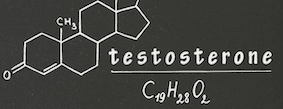
Testosterone might be the most misunderstood hormone in women’s health.
It’s not a “male hormone” - your ovaries make it. It’s not illegal - any medical doctor can prescribe it. And it won’t turn you into a bearded bodybuilder - not at the doses we use for women.
Testosterone might be the most misunderstood hormone in women’s health.
It’s not a “male hormone” - your ovaries make it. It’s not illegal - any medical doctor can prescribe it. And it won’t turn you into a bearded bodybuilder - not at the doses we use for women.
What testosterone can do is help with energy, motivation, mental clarity, muscle mass, bone density, and yes, a libido that packed its bags and left years ago. More women are figuring this out and asking their doctors for help. The problem is, many doctors don’t know how to help. Medical schools teach nothing about testosterone therapy for women, leaving physicians to shrug, hedge, or flat-out refuse.
This article is the cheat sheet I wish I’d had when I started prescribing testosterone 13 years ago. It’s ten tips that can mean the difference between “I feel like myself again” and “why do my legs look like they’re covered in a bear-skin rug?”
Let’s get into it.
1. You May Benefit Even If Your Testosterone Levels Are “Normal”
The tip: Testosterone treats symptoms, not lab values. We check labs to rule out HIGH testosterone before starting therapy, but “normal” testosterone doesn’t mean you won’t benefit.
Why this matters: In randomized controlled trials of testosterone therapy for postmenopausal women with low sexual desire (HSDD - hypoactive sexual desire disorder), women benefited from testosterone replacement therapy (TRT) even when their baseline testosterone levels weren’t low (Simon, 2021; Davis, 2008; Basson, 2010)
And this pattern holds beyond libido research, too. In a 2021 paper by R. Glaser on testosterone implants, she said, “We have shown that neither symptoms of androgen deficiency (with the exception of sexual complaints) nor response to therapy correlate with baseline T levels, which is consistent with other studies and the physiology of androgens in women.”
Translation: Don’t let a doctor tell you “your testosterone is normal, so you don’t need treatment” if you’re struggling with symptoms that could be testosterone-responsive. The symptom is what matters. The lab value is context, not destiny.
2. Testosterone Doesn’t Just Help Your Libido
The tip: Don’t write off testosterone just because your sex drive is fine. It might help with a dozen other things making you miserable.
Why this matters: The official guidelines endorse testosterone for exactly one thing: HSDD (hypoactive sexual desire disorder). That’s the only indication with enough randomized controlled trials to satisfy the evidence gods.
But here’s what actually happens in clinical practice: women start testosterone for low libido and come back three months later saying, “Yeah, the sex thing is better, but also… I can think again. I’m not exhausted at 2 pm. And I’m building muscle for the first time in five years.”
Researchers like R. Glaser & C. Dimitrakakis and recently Julia Chan have documented improvements in energy, mood, cognition, bone density, muscle mass, and overall quality of life. Women report better motivation, less brain fog, improved workout recovery, and that general sense of “I feel like myself again,” which is hard to quantify but impossible to ignore when it happens.
Now, these broader benefits aren’t FDA-approved indications. The big studies didn’t formally measure “ability to give a shit about life” or “not feeling like a wet noodle at the gym.” But the clinical experience is real, and it shows up in my clinics every single week.
So if your doctor says, “Well, your libido is fine, so you don’t need testosterone,” push back. You might be one of the many women who benefit in ways the guidelines haven’t caught up to yet. Just know what you’re getting into: proven benefit for sexual desire, promising but less formal evidence for everything else, and a lot of women who’ll tell you it changed their life in ways that had nothing to do with the bedroom.
3. Free Testosterone Tells You More Than Total Testosterone
The tip: If your total testosterone comes back “normal” but you still feel awful, ask for a free testosterone test (ideally measured by LC-MS/MS, liquid chromatography-mass spectrometry, but a “calculated” free T is better than nothing).
Why this matters: Most of your testosterone floats around stuck to a protein called SHBG (sex hormone binding globulin). Think of SHBG like those impossible plastic clamshell packages that hold your new scissors hostage. The testosterone is in there; you can see it, but you can’t actually use it until you break it free.
Total testosterone measures everything - both the trapped stuff and the tiny amount that’s actually free and usable. Free testosterone measures only what’s bioavailable to do actual work in your cells.
Here’s where it gets interesting: several common things jack up your SHBG, trapping more testosterone and leaving you with less of the good stuff:
- Oral estrogen (whether birth control or HRT) - this is the big one. Oral estrogen can double or triple your SHBG.
- Thyroid disease - hyperthyroidism raises SHBG.
- Being metabolically healthy - plot twist! Women with low insulin resistance and excellent metabolic health often have higher SHBG. Your “normal” total T might actually mean low free T.
Most guidelines tell doctors to just check total testosterone. But urologist (and menopause educator) Dr Rachel Rubin’s 2022 review article clarifies that free T is helpful when total T is normal, but symptoms persist.
4. A Woman’s Dose is Roughly 1/10th to 1/20th of a Male Dose (and Gel “Hits Harder” Than Cream)
The tip: When using testosterone products for women (some of which are male products used off-label, since FDA-approved female testosterone doesn’t exist in the US), we start at around 1/10th to 1/20th of a typical male dose. And if you’re switching between gel and cream, the doses aren’t interchangeable.
Why this matters: Standard male AndroGel 1% starting doses are about 50 mg/day. Protocols for women typically use 2.5 - 5 mg/day - that’s 1/10th to 1/25th of male dosing. This keeps testosterone within the premenopausal female range, exactly where we want it.
But here’s what trips people up: alcohol-based gels deliver more testosterone per milligram than most creams. The vehicle matters. Transdermal bioavailability depends heavily on the vehicle, and gels tend to provide higher systemic exposure per milligram than creams.
In practical terms, this means you often need roughly half the milligram dose of gel versus cream to get the same effect. That means that 2.5 mg of gel is roughly the same as 5 mg of testosterone cream.
5. Your Route of Delivery May Affect How Much DHT You Make (and DHT Drives Side Effects)
The tip: Injectable testosterone may convert to less DHT than creams and gels, which could mean fewer androgenic side effects like acne, oily skin, and unwanted hair growth.
Why this matters: DHT (dihydrotestosterone) is what drives most of the side effects women worry about with testosterone therapy. It’s a more potent androgen than testosterone itself, and it’s created when an enzyme called 5-alpha-reductase converts testosterone into DHT.
Here’s where route matters: in men, transdermal testosterone (gels and creams) increases DHT about 5.5-fold, whereas intramuscular injections increase DHT only about 2.2-fold at similar testosterone levels (Borst, 2015).
Why the difference? When testosterone hits your skin, it encounters 5-alpha-reductase right there at the application site. The enzyme converts some of that testosterone into DHT before it even reaches your bloodstream. With injections, the testosterone bypasses the skin entirely and goes straight into your subcutaneous tissue, avoiding that initial conversion.
.We don’t have as much data in women as we do in men, but studies do document marked DHT rises with exogenous testosterone in women, and women’s skin is clearly metabolically active for androgens. The same principle almost certainly applies: transdermal delivery exposes testosterone to skin-based 5-alpha-reductase, while injections bypass it.
The practical takeaway: If you’re struggling with acne, oily skin, or unwanted hair on a transdermal testosterone product despite otherwise good dosing, ask your doctor about switching to injections (I prefer lower doses of more frequent subcutaneous injections to avoid high peaks and troughs). You MIGHT get the same therapeutic benefits with fewer androgenic side effects (although, again, this is more theoretical than proven).
This isn’t about one route being “better” universally - it’s about matching the delivery method to your body’s response and your tolerance for side effects.
6. Where You Apply Testosterone Cream or Gel Also Affects Side Effects
The tip: Not all skin is created equal when it comes to converting testosterone to DHT. Apply to low-sebaceous areas (inner arms, lower abdomen, outer thighs) to minimize side effects. Avoid high-sebaceous areas (genitals, face, chest, upper back).

Why this matters: Even if you’re using a transdermal product, where you put it on your body makes a difference.
Biopsy data in women show that 5-alpha-reductase activity varies dramatically by location. Genital skin (labia, perineum) has extremely high enzyme activity - similar to male genital skin. Sebaceous-rich areas like the face, chest, and upper back also have high concentrations because the enzyme clusters in sebaceous glands and hair follicles (Davis, 2014; Azzouni, 2011; Smith, 2021)
Low-sebaceous areas like the inner upper arms, lower abdomen, and outer thighs have much less 5-alpha-reductase activity.
Think about it: if you apply testosterone to your chest or upper back - areas packed with sebaceous glands - you’re delivering hormone directly to tissue that’s primed to convert it into DHT right there locally. That DHT then acts on those exact areas, which is why some women who apply testosterone to “convenient” spots end up with acne or increased hair growth exactly where they applied it.
The practical takeaway: If you’re prone to acne or don’t want to deal with increased body hair, be strategic about application sites:
And yes, I know some protocols recommend genital application for sexual function benefits. That’s a local application with local effects (see Tip #9). But for systemic testosterone dosing, skip the high-sebaceous zones.
7. Side Effects Take Months to Show Up - and Months to Go Away
The tip: Don’t panic if nothing happens in the first few weeks, and don’t expect an overnight reversal once you lower or stop the dose.
Why this matters - Onset: Androgenic side effects don’t appear immediately. In testosterone-treated populations, acne often worsens over 3-6 months and may peak later in the first year. This reflects follicular cycling and cumulative stimulation of the sebaceous glands, not an immediate response.
Hair changes take even longer. Hair miniturization and unwanted hair growth (hirsutism) develop over multiple hair cycles. You might not notice increased facial hair or thinning scalp hair for months after starting testosterone.
Why this matters - Resolution: Here’s the part that really frustrates women: when you reduce your dose or stop testosterone entirely, those side effects don’t vanish quickly either. Acne improvement generally follows at least one full follicular cycle (about 3 months). Androgen-related hair loss or shedding can take several months just to stabilize, and regrowth - if it happens at all - takes multiple hair cycles and sometimes remains incomplete.
This is normal physiology, not a sign that something’s wrong. But it means you need patience on both ends. Give testosterone a fair trial of at least 3 months before declaring it didn’t work. And if you develop side effects and need to dial back, give your body at least 3 months to readjust before assuming the change didn’t help.
Frame it like this: “Testosterone is a slow burn. It doesn’t work like Tylenol. Give it time.”
8. Your Ovaries Don’t Stop Making Testosterone After Menopause (Unlike Estrogen)
The tip: Don’t assume you’re starting from zero when you add testosterone. Your ovaries are still producing it, even years after menopause.
Why this matters: This is one of the most misunderstood things about testosterone therapy in women. Unlike estradiol and progesterone, which drop sharply at menopause when your ovaries stop ovulating, testosterone doesn’t fall off a cliff.

Postmenopausal ovaries continue producing androgens (testosterone and androstenedione) from stromal and hilus cells. The relative contribution of ovarian and adrenal androgens remains substantial.
Translation: when you add exogenous testosterone, you’re layering it onto an existing androgen base, not replacing zero. It’s also why I talk about testosterone therapy in women as being an “as needed” hormone. Not all women will need it, as both your ovaries and adrenal glands can continue to produce it after menopause.
Some women’s ovaries are churning out respectable amounts of testosterone well into their 70s. Others drop more precipitously.
This isn’t just trivia. It changes how we think about “replacement” versus “optimization” and reminds us that one-size-fits-all dosing is a myth. Your body is still doing some of the work. We’re just helping it along.
9. Testosterone Is “Off-Label” for Women, But That Doesn’t Mean It’s Sketchy or Illegal
The tip: Any physician with a DEA license can legally prescribe testosterone to women. “Off-label” doesn’t mean “experimental” or “dangerous” - it just means the FDA hasn’t formally approved it for this specific use.
Why this matters: A shocking number of women (and doctors) think prescribing testosterone to women exists in some legal gray area, like you’re getting black-market hormones from a shady compounding pharmacy in someone’s garage.
Not true.
Off-label prescribing is completely standard medical practice. Huge swaths of what doctors prescribe every day are off-label uses of FDA-approved medications. Low-dose naltrexone for autoimmune conditions? Off-label. Metformin for PCOS? Off-label. Gabapentin for neuropathic pain? Off-label.
The FDA approves drugs for specific indications based on the studies a pharmaceutical company chooses to fund and submit. Once a drug is FDA-approved for anything, physicians can prescribe it for other conditions based on clinical judgment and available evidence. This is legal, ethical, and happens millions of times a day.
For testosterone in women, the challenge is that no pharmaceutical company has bothered to get FDA approval for a female-specific testosterone product in the US (they exist in other countries). We use male products at much lower doses or compounded formulations. Both are perfectly legal.
If a doctor tells you they “can’t” prescribe testosterone to women or that it’s “not approved,” what they actually mean is either (a) they’re uncomfortable with it, (b) they don’t know how to dose it, or (c) they’re confusing “off-label” with “illegal.”
You deserve a doctor who understands the difference and isn’t afraid to prescribe evidence-based therapies just because the FDA hasn’t rubber-stamped that exact use.
10. Like Estrogen, Testosterone Can Be Applied Locally to Benefit the Pelvic Floor
The tip: Testosterone isn’t just for systemic therapy. It can be applied locally to vulvar and vaginal tissues to improve pelvic floor symptoms without significantly raising your blood testosterone levels.
Why this matters: Most people think of testosterone as something you apply to your arm or inject into your muscle to raise systemic levels. But just like vaginal estrogen treats local tissue without meaningfully affecting serum estradiol, local testosterone can target specific symptoms in the pelvic region.
Vulvar and vaginal tissues have androgen receptors. Testosterone applied locally can help with:
- Vulvar lichen sclerosus (a condition causing itching, pain, and tissue changes)
- Vaginal atrophy symptoms that don’t fully respond to estrogen alone
- Clitoral sensitivity and sexual function
- Pelvic floor tissue health
The beauty of local application is that the testosterone gets absorbed primarily by the tissues you’re treating, with minimal systemic absorption. This means you can get localized benefits without worrying about raising your blood testosterone levels into ranges that might cause unwanted androgenic side effects elsewhere.
When using testosterone locally, the dosing is significantly less than what you’d use systemically (think: 0.1 mg - 0.5 mg several days a week). It can be alongside local low-dose vaginal estrogen (Burrows, 2013).
Bonus Tip: Watch Out for Transference - Especially with Kids and Pets
The tip: If you’re using topical testosterone (gel or cream), be obsessive about preventing transference to others, particularly children and pets.
Why this matters: Testosterone absorbs through skin contact. If you apply testosterone gel to your arm and then hug your kid or snuggle your dog before it’s fully dried, you can transfer measurable amounts of hormone to them.
In children, even small amounts of testosterone exposure can cause:
- Early puberty signs (pubic hair, body odor, acne in young kids)
- Aggressive behavior changes
- Growth acceleration
In pets, particularly cats and dogs, testosterone exposure can cause behavioral changes and other issues.
The fix is straightforward but requires discipline:
- Apply testosterone to areas that will be covered by clothing
- Let it dry completely (at least 5-10 minutes) before getting dressed
- Wash your hands thoroughly after application
- Avoid skin-to-skin contact with the application site until you’ve showered or at least 2 hours have passed (ideally closer to 6).
- Consider applying testosterone at night before bed when you’re less likely to have close contact with others
This isn’t meant to scare you. Millions of women use topical testosterone safely. But it requires awareness and consistent habits, especially if you have young children or pets in your household.
Final Thought
Testosterone therapy for women isn’t rocket science, but it’s also not as simple as “slap on some gel and call it a day.”
The details matter. The dosing matters. The formulation matters. Where you put it, how you prevent transference, and how patient you are with side effects - all of it matters.
When women understand not just that they can use testosterone, but how to use it well, outcomes improve dramatically. The transformation I’ve seen in thousands of women over the past decade isn’t magic - it’s good medicine combined with attention to detail.
You deserve to know this stuff. You deserve to feel good. And you deserve doctors who understand that optimizing testosterone therapy is as much art as science.
If you found this helpful, share it with someone who might need it. The more women who know how to actually use testosterone effectively, the fewer women suffer needlessly.
And if you’re not on testosterone yet but think you might benefit, print this out and bring it to your next appointment. Knowledge is power, and it’s time you took back yours.
This excerpt was written by Dr. Amy B. Killen,, check out her substack.