Health Coach Tips
Health Coach Tip - What is Akkermansia Muciniphila?
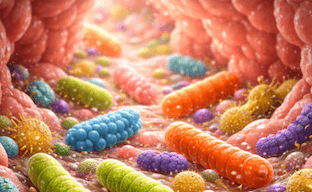
A healthy gut is one of the foundations of healthy aging. Recently, one gut microbe in particular has received a lot of attention in the world of longevity, metabolism, and gut health: Akkermansia muciniphila.
Although its name may sound complicated, Akkermansia muciniphila is simply a beneficial bacterium that naturally lives in the lining of the gut. People with higher levels of Akkermansia often appear to have better metabolic health, lower inflammation, healthier body weight, and stronger gut barrier function.
What is Akkermansia muciniphila?
Akkermansia muciniphila is a species of bacteria that lives in the mucus layer of the intestines. Unlike many other bacteria, it feeds on mucin, which is one of the proteins that makes up the protective mucus lining of the gut.
At first, this may sound concerning. However, it does not damage the gut lining. Instead, when present in healthy amounts, Akkermansia appears to help maintain and strengthen the mucus layer. In other words, it helps keep the gut barrier healthy and resilient.
This is important because the gut lining acts like a filter. It allows nutrients to pass into the bloodstream while keeping unwanted substances, toxins, and inflammatory compounds out. When the gut barrier becomes weakened or “leaky,” inflammation may increase throughout the body.
Why is Akkermansia important?
Akkermansia has become one of the most talked-about gut microbes because research suggests it may play a role in several areas of health.
Metabolic health
People with higher levels of Akkermansia often have healthier blood sugar levels, better insulin sensitivity, and lower rates of obesity. Some studies have found that lower levels of Akkermansia are associated with insulin resistance, type 2 diabetes, and excess weight.
This may be because Akkermansia helps support the gut lining, reduce inflammation, and influence how the body processes glucose and fat.
Inflammation
Low-grade chronic inflammation is one of the drivers of accelerated aging and many chronic diseases. Akkermansia appears to help regulate the immune system and reduce inflammatory signaling in the body.
This is one of many reasons researchers are interested in its potential role in longevity and healthy aging.
Gut barrier function
Akkermansia helps maintain the thickness and strength of the gut’s mucus layer. A healthier gut barrier may lower the risk of “leaky gut,” which has been linked to digestive issues, food sensitivities, autoimmune conditions, and inflammation.
Weight management
Some research suggests Akkermansia may support a healthier body composition and make it easier to maintain a healthy weight. Scientists believe this may be related to its effects on inflammation, insulin sensitivity, appetite regulation, and fat metabolism.
May support effectiveness of certain cancer drugs
Several studies have found that people with higher levels of Akkermansia respond better to immune checkpoint inhibitors such as PD-1 therapies, especially in cancers like non-small-cell lung cancer, melanoma, and kidney cancer. On the contrary, those who did not respond to immunotherapy often had lower levels of Akkermansia.
Researchers think Akkermansia may help by strengthening anti-tumor immune responses, improving T-cell activity, reducing inflammation, and helping the immune system recognize cancer cells more effectively.
What lowers Akkermansia levels?
Several lifestyle factors may reduce Akkermansia levels in the gut.
- Diets high in processed foods and sugar
- Low fiber intake
- Chronic stress
- Poor sleep
- Sedentary lifestyle
- Frequent antibiotic use
- Excess alcohol intake
Because of this, improving overall gut health habits often helps support Akkermansia naturally.
How can you increase Akkermansia naturally?
Although some supplements now contain Akkermansia, there are also several ways to encourage its growth naturally.
Eat more fiber-rich foods
A diet rich in vegetables, legumes, berries, nuts, seeds, and whole plant foods helps feed beneficial gut bacteria.
Include polyphenol-rich foods
Polyphenols are plant compounds that help support a healthy gut microbiome. Foods rich in polyphenols include:
- Pomegranate
- Cranberries
- Green tea
- Dark chocolate
- Grapes
- Berries
- Olive oil
Exercise regularly
Regular movement has been linked to a healthier and more diverse microbiome, including higher levels of Akkermansia.
Consider intermittent fasting
Some early research suggests that time-restricted eating and intermittent fasting may help support Akkermansia levels by improving gut and metabolic health.
Prioritize sleep and stress management
Chronic stress and poor sleep can negatively affect the gut microbiome. Supporting nervous system health may also support healthier gut bacteria.
All in All
Akkermansia muciniphila is a promising gut bacteria when it comes to metabolic health, inflammation, and healthy aging. While there is still much to learn, current research suggests that supporting this bacterium through a healthy diet and lifestyle may help strengthen the gut barrier, improve blood sugar balance, and support long-term wellness.
Fortunately, many of the same habits that support Akkermansia — eating more fiber, exercising, sleeping well, and reducing processed foods — are also some of the most important foundations for longevity.