Health Coach Tips
Health Coach Tip - The Benefits of Baths
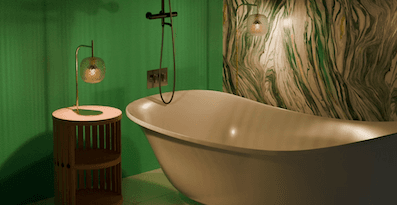
A warm bath is one of the oldest and most accessible wellness practices — and for good reason. Beyond relaxation, regular bathing offers meaningful benefits for the body, mind, and nervous system. With so much emphasis placed on productivity, a bath can serve as a simple yet powerful ritual that supports overall health and longevity. With so much emphasis placed on productivity, a bath can serve as a simple yet powerful ritual that supports overall health and longevity.
1. Supports Nervous System Regulation
One of the most immediate effects of a warm bath is its ability to shift the body into a parasympathetic (“rest and digest”) state. Warm water helps lower stress hormones, relax muscles, and create a sense of safety and calm.
This nervous system downshift can:
- Reduce feelings of stress and anxiety
- Promote emotional regulation
- Help the body move out of chronic fight-or-flight mode
For many people, a bath becomes a natural reset after busy days or high mental load.
2. Improves Sleep Quality
Taking a warm bath 1–2 hours before bed can help improve sleep onset. The rise in body temperature followed by a gentle cooling effect afterward signals the brain that it’s time to wind down, supporting natural circadian rhythms.
People often report:
- Falling asleep faster
- Deeper sleep quality
- Reduced nighttime restlessness
A consistent evening bath routine can be a simple tool for better sleep hygiene.
3. Eases Muscle Tension and Physical Discomfort
Warm water increases blood flow and helps relax tight muscles. The buoyancy of water also reduces pressure on joints, offering gentle relief for soreness or stiffness.
Baths may help with:
- Post-workout recovery
- Mild joint discomfort
- Back or neck tension from prolonged sitting
- Everyday physical stress
Adding epsom salts can further support muscle relaxation through magnesium absorption and soothing effects.
4. Enhances Circulation
Heat causes blood vessels to dilate, which improves circulation and helps deliver oxygen and nutrients throughout the body. Better circulation supports tissue repair, recovery, and overall cardiovascular wellness.
While a bath is gentle compared to more intense heat therapies, consistent use can still support healthy blood flow and relaxation of the vascular system.
5. Encourages Mindfulness and Mental Recovery
Unlike quick showers, baths naturally slow you down. This pause creates space for reflection, breath awareness, or simply being present — all of which can lower cognitive stress.
Many people use baths as a mindful ritual by adding:
- Soft lighting or candles
- Calming music
- Essential oils like lavender or eucalyptus
- Breathwork or simple meditation
This combination supports both psychological restoration and emotional resilience.
6. Supports Skin Hydration and Barrier Function
Warm (not overly hot) baths can soften skin and help improve hydration when followed by moisturizing. Ingredients like colloidal oatmeal or gentle oils may soothe irritation and support the skin barrier.
Keeping water temperatures moderate is key to avoiding dryness.
7. Creates a Consistent Recovery Ritual
Perhaps the most underrated benefit of baths is consistency. A bath signals the body that recovery matters. Over time, a repeated ritual can help train the brain to associate evenings with rest, making relaxation easier and more automatic.
A bath may look simple, but its effects reach far beyond relaxation. From nervous system calming and improved sleep to muscle relief and mental reset, this timeless practice supports both immediate wellbeing and long-term health.
In a longevity-focused lifestyle, small daily recovery practices add up — and a warm bath is one of the easiest ways to create intentional space for restoration.