Health Coach Tips
Health Coach Tip - 5 Strategies to De-Bloat
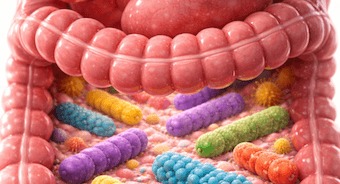
Bloating has a way of making you feel uncomfortable in your own body. One minute you feel fine, and the next your stomach feels tight, swollen, heavy, or puffy — sometimes even after eating a meal that seemed perfectly healthy. While occasional bloating happens, frequent bloating is often your body’s way of telling you that something is off. It could be related to how quickly you eat, the foods you tolerate, constipation, stress, hormones, or even the balance of bacteria in your gut.
The good news? In many cases, a few simple changes can make a major difference.
1. Slow down when you eat
Eating too quickly often causes people to swallow more air, which can contribute to bloating and gas.
Try slowing down at meals, chewing thoroughly, and avoiding eating while distracted. Taking a few deep breaths before you eat may also help support digestion by shifting the body into a more relaxed state.
2. Support regular bowel movements
Constipation is one of the most common causes of bloating. If stool sits in the colon for too long, it can lead to pressure, discomfort, and gas buildup.
To support regularity:
- Drink enough water
- Eat more fiber-rich foods
- Move your body regularly
- Include magnesium-rich foods or supplements if needed
- Establish a regular bathroom routine
3. Identify trigger foods
Some foods are more likely to trigger bloating than others, especially in sensitive individuals.
Common culprits include:
- Highly processed foods
- Sugar alcohols
- Carbonated drinks
- Large amounts of dairy
- Beans and cruciferous vegetables
- Gluten in some individuals
- Excess salt
This does not mean you need to avoid these foods forever. Instead, it can help to pay attention to patterns and notice which foods make you feel worse.
4. Improve your gut microbiome
An imbalance in gut bacteria can contribute to gas, bloating, and digestive discomfort.
Eating more fermented foods, fiber-rich plants, and probiotic-containing foods may help improve the balance of bacteria in the gut. Foods such as yogurt, kefir, sauerkraut, kimchi, and fermented vegetables may be helpful.
For some people, a high-quality probiotic supplement may also make a difference.
5. Manage stress
Stress affects digestion more than most people realize. When you are stressed, the body shifts into “fight or flight” mode, which can slow digestion, increase sensitivity in the gut, and contribute to bloating.
Simple stress management practices may help improve digestion, including:
- Walking after meals
- Meditation
- Breathwork
- Yoga
- Leg wall therapy
- Getting enough sleep
- Spending time outdoors
Bloating is common, but it is not something you should deal with on a day to day basis. Often, small changes in how you eat, what you eat, and how you support your gut can make a big difference.
If bloating is severe, persistent, or accompanied by symptoms like weight loss, blood in the stool, or severe pain, please speak with your healthcare provider. Don’t go unchecked!