Gut Health
Give Your Gut a Break: The Science of Fasting and the Microbiome
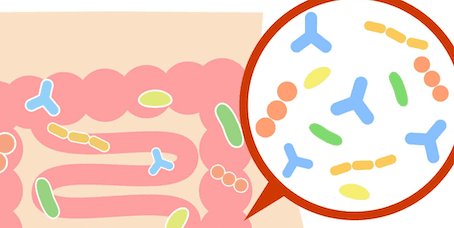
Inside your digestive tract lives one of the most densely populated ecosystems on Earth. It contains trillions of bacteria, fungi, viruses, and other microscopic residents, collectively known as the gut microbiome, carrying out many of the functions that keep your body running smoothly. It helps regulate digestion, supports the immune system, influences metabolism and brain function, and even plays a role in mood. When this internal community is balanced, it supports health in many far-reaching ways. But when that balance goes off track, a state known as dysbiosis, the risk of metabolic, gastrointestinal, and inflammatory problems rises.
So, what actually keeps this microbial universe in balance? While healthy habits like movement, sleep, and stress management all play a role, for years most of the focus has been on food, especially fiber intake and overall dietary quality. That still matters. But researchers now know the microbiome pays attention to more than just what’s on your plate. It also responds to timing. In other words, the microbiome does not just react to what we eat, it responds to when we eat!
That’s where intermittent fasting (IF) and time-restricted eating (TRE) enter the picture. Emerging evidence suggests that brief fasting periods can reshape the microbial landscape in the gut and, through that shift, influence health from head to toe. Part of the reason may be surprisingly simple: every time we eat, the digestive system has to jump into action to break down food, absorb nutrients, and manage waste. Regular fasting windows give the gut a chance to rest and reset, which may reduce strain on the intestines and help digestion run more efficiently over time.
Microbial cells in the human body are comparable in number to our own cells, and most live in the gut. There, these microscopic partners help the immune system recognize threats, break down otherwise indigestible plant fiber into compounds that help maintain the gut lining, produce certain vitamins and signaling molecules, and interact with hormones made in the gut that regulate appetite and mood. Not surprisingly, the microbiome takes care of us best when we take care of it. Diets low in fiber and high in sugars and processed foods, frequent antibiotic use, and constant grazing without digestive downtime can disrupt microbial balance. When that happens, the fallout can range from everyday digestive discomfort like bloating or diarrhea to food sensitivities, autoimmune conditions, and metabolic problems.
In short, a healthy gut depends on a well-tended microbiome. One intriguing tool scientists are studying to support that balance is surprisingly simple: giving the system regular, well-timed breaks from eating. Intermittent fasting (IF) and time-restricted eating (TRE) offer a practical way to do just that. So how might these approaches help keep your microbial ecosystem performing at its best? Here’s what the current research has to say:
It’s all about timing.
One of the more interesting discoveries in recent gut research is that your microbiome keeps time. Those trillions of microbes living in your gut follow daily rhythms that are closely linked to when you eat and to your body’s internal clock. As your eating pattern shifts, your microbial community shifts right along with it.
Researchers have observed clear day-night swings in microbiome activity, showing that regular cycles of eating and fasting help keep microbial ecosystems organized and functioning smoothly. In other words, fasting doesn’t just reduce food intake. It helps reorganize the schedule of your entire microbial city. Just as importantly, structured fasting can help many people reconnect with natural hunger cues. Constant snacking and late-night eating tend to blur those signals and may disrupt both digestion and microbiome balance. Building in consistent breaks between meals helps restore a more natural rhythm.
Fasting’s boost to gut health – and beyond.
One of the most consistent findings in fasting research is an increase in microbial diversity, which in plain English means a wider mix of different microbes living in your gut. That diversity is generally a good thing. A microbiome with many different species tends to be more stable, better able to keep potentially harmful microbes in check, and better equipped to fend off opportunistic pathogens.
The research is strong here. One 2024 analysis found that intermittent fasting appears to positively influence the gut microbiome and may increase both the number and variety of microbes present. Another review reported similar shifts across different populations. Granted, not every study sees the same degree of change, and some groups, particularly those with metabolic syndrome, show more modest or variable responses. Even so, the overall direction of the research is encouraging.
Fasting helps grow the good (gut) guys.
Beyond boosting overall diversity, fasting patterns such as IF and TRE may also encourage the growth of certain beneficial bacteria. Among the microbes that often increase are Faecalibacterium prausnitzii, Roseburiaspecies, Akkermansia muciniphila, and members of the Lachnospiraceae family.
OK, so, these names may not pop up in everyday conversation, but in the gut world they matter. Many of these bacteria are prolific producers of short-chain fatty acids, compounds that help maintain the gut lining, regulate inflammation, and support metabolic health. In one Arizona State University–led trial an intermittent fasting plus protein-pacing (a.k.a.,eating protein at regular intervals) approach increased several beneficial bacterial groups while also improving metabolic markers and easing digestive complaints. Animal research generally points in the same direction, often showing increases in well-known helpful bacteria such as Lactobacillus and Bifidobacterium during periods of intermittent fasting.
That said, one size doesn’t necessarily fit all. Microbiome responses are variable, and researchers don’t yet know exactly how much IF or TRE is needed to maximize the positive effects. But the overall trend is encouraging, and whether you do IF or TRE every day or a few times a week, the idea is that you’re helping support gut health.
Fasting’s short-chain fatty acid payoff.
If microbial diversity tells us how many different players are in your gut, short-chain fatty acids, or SCFAs, show us what all that activity is producing. These compounds, mainly butyrate, acetate, and propionate, are made when gut bacteria break down dietary fiber and resistant starch.
To be sure, SCFAs do important work. They feed the cells lining your colon, strengthen the gut barrier, help regulate immune activity, and support healthy insulin function and metabolism. In all these ways, they are one of the main routes through which gut microbes deliver benefits to the rest of the body.
Several studies suggest these SCFA pathways become more active during structured fasting, making this one of the most biologically plausible ways fasting-related microbiome changes translate into whole-body effects.
Fasting may help reinforce your gut barrier.
The intestinal lining acts as a highly selective gatekeeper. When it’s working well, it allows nutrients through, while keeping inflammatory molecules and harmful microbes contained. When that lining becomes compromised, we get increased permeability which allows unwanted substances to slip into circulation and potentially contribute to body-wide inflammation.
Research suggests intermittent fasting may help strengthen this gut barrier while also encouraging favorable changes in the microbiome. Short-chain fatty acids, particularly butyrate, appear to play an important role by fueling colon cells and tightening the junctions that keep the intestinal wall sealed.
Fasting helps keep metabolism on track.
Many of the most meaningful clinical findings related to fasting show up in metabolic measures such as body weight, blood sugar and cholesterol control, and blood pressure. Some trials report reductions in body fat and improved fat burning alongside these beneficial microbial shifts. Additional research has found that intermittent fasting can produce distinct microbial patterns that are linked to differences in body composition response.
Fasting may also improve insulin sensitivity and reduce excess fat buildup in the liver, both of which support more efficient metabolism and reduce metabolic strain on the gut. That said, intermittent fasting is not consistently superior to standard calorie restriction for overall weight loss. Think of it as a useful tool, not a magic weight-loss solution.
Fasting’s power to help cool inflammation.
Chronic low-grade inflammation is tied to metabolic disease, cardiovascular risk, and many age-related conditions. One of the more intriguing areas of fasting research is its potential to help cool that background inflammation. Early findings suggest fasting may lower systemic inflammation in the overlapping ways described above, including increased SCFA production, a stronger gut barrier, and shifts toward more anti-inflammatory microbes.
Beyond the gut – your brain, age, and muscle matter too!
Fasting’s effects are not limited to the digestive tract. Researchers increasingly view the microbiome as part of a broader gut–brain–metabolic network. Changes in gut microbes can influence immune signaling, hormone activity, and neural pathways linking the gut and brain. Reviews of intermittent fasting research report that fasting can modulate the gut–microbiota-brain axis and may contribute to neuroprotective and anti-inflammatory effects in animal models, although human evidence is still emerging.
Age also appears to influence how strongly someone responds to fasting. Systematic reviews emphasize that microbiome and metabolic effects vary based on baseline health, diet, and age-related changes in the gut ecosystem. Older adults in particular may respond differently and should approach prolonged fasting cautiously and with medical guidance.
Another area of interest is muscle preservation. During extended fasting, the body shifts from primarily burning glucose to using stored fat and producing ketones. Under certain conditions, this metabolic switch may help spare lean tissue compared with simple calorie restriction, although results in humans are mixed and depend on fasting length, protein intake, and individual factors.
Not all fasting approaches work the same.
Time-restricted eating, which typically limits food intake to an eight- to ten-hour daily window, appears to work in harmony with circadian rhythms and may improve aspects of lipid metabolism, including keeping a lid on excess LDL cholesterol. Animal studies show TRE can prevent or reverse diet-induced obesity and improve glucose tolerance, although human effects tend to be more modest.
Longer fasts lasting several consecutive days produce more dramatic metabolic shifts, including increased fat burning and ketone production, and they can significantly reshape the gut microbiome. However, these extended fasts are not recommended for most people without medical supervision. Whether the larger microbial changes seen with prolonged fasting translate into meaningful long-term benefits in humans remains an open question.
Bottom Line: Thoughtful fasting, especially moderate approaches like intermittent fasting and time-restricted eating, can reshape the gut microbiome in ways that fight inflammation and support metabolic health. It can be a meaningful tool, particularly when paired with a high-quality, fiber-rich diet and eating patterns that respect your body’s natural rhythms. Your gut may well benefit from well-timed breaks between meals. It just tends to prefer steady and sensible over the extreme.