Health & Wellness
21 Simple Ways to Minimize Microplastics for Better Health Now — and Later
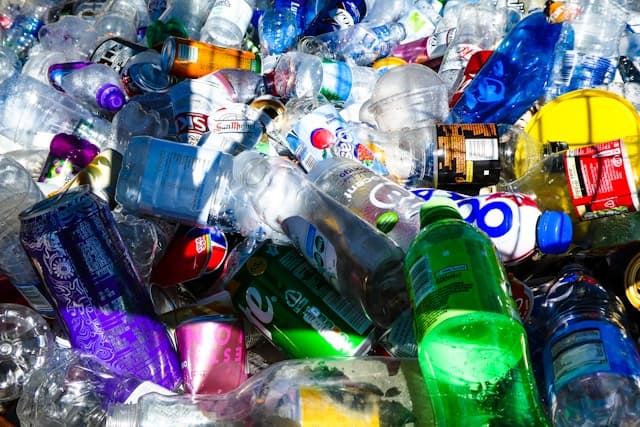
While every patient’s situation is unique and treatment protocols can vary widely from person to person, one thing’s for certain: everyone likes an easy health hack. Anything that can make a big, positive contribution to health, current and long-term, without a ton of hassle has universal appeal, and generally good follow-through. In my book, one of the most impactful hacks to embrace ASAP is keeping as much microplastic out of your body as possible. Plastic is a menace, affecting any number of vital organs, so it’s up to us to give it the heave-ho, preferably today.
It wasn’t that long ago that plastic was virtually synonymous with progress and modern convenience. The stuff was cheap, convenient, could be produced in just about every shape and color imaginable. Consequently, it was wildly popular for everything from kitchen utensils and food containers to furniture and toys to clothing, car interiors and beyond.
What a difference a few decades make! Today, as scientists keep finding plastic fragments in our air, our food, our water, our bodies, even in our brains, all that junk is adding up to be a huge cause for concern! I’m not suggesting widespread panic is in order. But I am strongly advising you to pay close attention to your microplastic exposure. (Sorry to say we can’t eliminate them from our lives completely – they’re simply too widespread.) Research links them to inflammation, oxidative stress, hormone disruption, and there’s evidence that they may increase the risk of heart and brain diseases. It’s an ongoing story but the drift is clear enough to justify implementing a number of simple preventive steps. The good news is that with some forethought, it is possible to drastically reduce your daily exposure and give your body a far better shot at living a long and healthy life. Here’s why you must do it -- and where to start:
Got microplastics?
As the name suggests, microplastics are very, very small pieces of plastic. Generally, they’re defined as particles smaller than 5 millimeters, or about 0.2 inches. Nanoplastics are smaller still. In most cases, the ‘nanos’ are completely invisible to the naked eye and require instruments to detect.
So where do all these tiny particles come from? Mostly, they’re the leftovers of larger plastic items breaking down over time. Sunlight, heat and everyday wear slowly grind down bottles, packaging, clothing fibers, tires and household goods into ever smaller fragments.
But not all microplastics start big. Some were intentionally manufactured to be tiny. For years, manufacturers helped spread the mess by adding microscopic plastic beads to everyday products like exfoliating scrubs, certain detergents, and some toothpastes, until they were mostly phased out (or restricted) around 2018.
They are everywhere.
As global plastic production has surged over the past few decades, environmental contamination has risen right along with it. Today, microplastics are everywhere. They’ve been detected in oceans, rivers, soil, indoor dust, and across large portions of the food supply.
Just how far do they travel? A lot farther than you’d think. Plastic particles have been found in extremely remote, seemingly pristine places with little human activity, like the Himalayas, the Arctic and parts of Siberia.
Yup, you’re eating them too.
Microplastics don’t just drift through the environment. They also move through the food chain. They’ve been detected in sea salt, honey, beer, bottled water, fruits, and veggies. Seafood, the most studied dietary source, ranks high on the list.
Because seawater contains suspended plastic particles, marine life often swallows them, sometimes mistaking plastic for food. Over time, both particles and the chemicals attached to them can build up in their tissues. But what makes shellfish like mussels and oysters particularly vulnerable is that these animals feed by filtering large volumes of water to breathe and function. That constant filtration increases their exposure. As a result, frequent shellfish-eaters may also wind up inadvertently ingesting thousands of microplastic particles each year.
Enter the brain...
The conversation really starts to get disturbing when we look at the brain. Take a 2024 study published in Nature Medicine that found measurable microplastic concentrations in human brain tissue. They also observed that levels appeared higher in samples collected in recent years compared to earlier ones, and that brain samples from people with dementia contained more plastic than those from people without dementia.
While that doesn’t prove microplastics cause dementia, it does highlight a connection that’s well worth paying attention to. After all, your brain is about 60 percent fat and many plastic polymers are attracted to fatty tissue. It’s that combination that’s worrying when we consider the potential for long-term accumulation. Laboratory studies also suggest that very small plastic particles may cross the blood-brain barrier, the protective filter that normally shields the brain from harmful substances. There’s also animal research that shows nanoplastic exposure can trigger higher levels of oxidative stress, brain inflammation and behavior changes.
That’s concerning even if we don’t yet know for sure that the same holds true for humans. Worse, microplastics aren’t limited to the brain. Researchers have also detected them in blood, lungs, placenta, liver, and kidneys.
Microplastics travel elsewhere too.
The research is still in progress, but patterns have begun to emerge. Early evidence suggests very small plastic fragments may pass from the gut into the bloodstream and reach other organs. Then there’s inhalation. In one study, plastic fibers were found in most lung tissue samples that were examined, pointing to airborne exposure, especially indoors. Homes with more synthetic fabrics and carpets tend to have higher levels of these fibers in the air.
Not surprisingly, our hearts also make our list of concerns, with one recent study reporting that people with microplastics detected in arterial plaque had higher rates of heart attack, stroke, or death during follow-up. Again, not quite a smoking gun, but it’s enough to have prompted more research – and hopefully enough for you to ditch your plastic cups and containers for good!
As if microplastics weren’t enough, there are plastic additives to keep in mind. Substances such as BPA and certain phthalates have been shown to interfere with hormone signaling, while others have found that specific phthalates can stimulate breast cancer cell growth in petri dishes.
Tame your exposure – today!
For most folks, changing everything overnight is a tall order. But I do urge you to purge the plastic, the sooner the better, but over time if you must. As they say, ‘just do it.’ The smart money is on starting your purge where the impact is highest – and your food, drink, and kitchen items are a good place to start:
- Eat fresh, minimally processed foods to instantly reduce contact with plastic packaging. Think fresh veggies from clean, local sources like organic farms and farmer’s markets. In a pinch, frozen organic is next best, but give ‘steam in bags’ a hard pass and transfer veg into a non-plastic vessel for cooking.
- Lean into fresh, animal proteins, either organic or from local farmer’s markets and small-batch, local producers who tend to raise healthier animals in more humane conditions, and stay far away from large scale ‘factory farm’ produced proteins.
- For seafood, think variety and moderation, especially with shellfish, as a reasonable middle ground. Think small, oily fish, like sardines, anchovies, and mackerel, instead of large, higher-up-the-food-chain species.
- Loose leaf tea is another easy upgrade. Some plastic tea bags can release large numbers of microplastics when steeped in hot water.
- Use stainless steel coffee filters instead of plastic pods.
- Filter your drinking water. Reverse osmosis and higher-end carbon systems do a good job of removing the most particles.
- Trade plastic bottles and cups for glass or stainless steel.
- Stop heating food in plastic! No excuses. Heat speeds both particle shedding and chemical migration – an unhealthy combination.
- Plastic cutting boards and utensils can flake off fragments into your food during normal use, so start transitioning over to wood, bamboo, or stainless steel options.
- Let hot food cool briefly before storing it, ideally in glass.
- Phase out plastic containers. They wear down under repeated high heat dishwasher cycles. Replace them with glass or stainless.
- Love a weekly takeout meal? Then decant food or transfer to a non-plastic plate right away. Hot food sitting in plastic clamshells can pick up extra particles.
- Got hot food? Store it in glass. If you must use plastic while making the gradual switch to glass, let food cool completely before storing/freezing.
- Got plastic that’s been around a while? If you’re making the switch gradually, ditch the oldest stuff first as plastic containers wear down under repeated high heat dishwasher cycles. From there, continue the purge and ditch the newer stuff.
- Got chewing gum? Well, here’s a surprise: Many conventional gums use synthetic polymer bases, so choosing gum made from natural tree sap instead of synthetic plastic versions is an easy upgrade.
Next on your smart move agenda – the rest of your home, as in living rooms, bedrooms, family rooms and kids’ rooms. How to clean up their microplastic act:
- Throughout your home, synthetic carpets, furniture, and clothing are shedding tiny fibers all day. Dry dusting tends to stir them right back into the air, so instead, do your dusting with a slightly damp cloth to trap more particles.
- Further tamp down the airborne bits with a HEPA air purifier in the rooms where you spend the most time, especially the bedroom and home office.
- In the laundry room, remember that synthetic fabrics such as polyester and fleece shed thousands of microfibers in the wash. Wash these items less often, use cold water, and choose gentler cycles to help reduce shedding.
- Clean your dryer lint trap every cycle without fail to prevent captured fibers from recirculating.
- Personal care products deserve a quick label check too. Microbeads are less common now, but some products still contain plastic-based ingredients such as polyethylene or polypropylene.
- For families, children’s environments are worth extra attention. Kids spend lots of time close to the floor and frequently put objects in their mouths. Washing plush toys regularly, choosing natural fiber rugs when practical, and using stainless steel or silicone lunch containers can all help lower daily exposure
Ultimately, you don’t need to seek total perfection and achieve it overnight. Just make progress. Small shifts, made consistently, can meaningfully lower your exposure over time. In other words, with a few incremental moves, you can make a real impact and keep microplastics from raising your disease risk now and down the road – so the time to start is now.