Healthy Aging
Your Longevity Superpower: How Muscles Keep Your Heart, Brain and Body Younger Longer
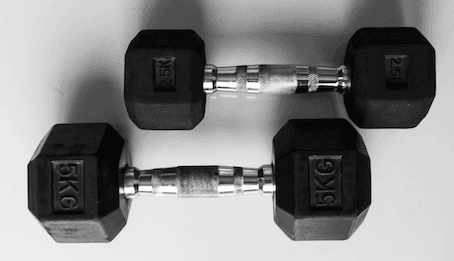
If you’ve been around this blog for any length of time, you already know the core principles I come back to again and again. Eat real, whole foods, organic or farmers’ market whenever possible. Sleep deeply and well on the regular. Move your body frequently throughout the day. Manage stress before it manages you. These habits may not be exactly ‘breaking news,’ but they are relentlessly effective, with each habit doing its part to encourage a healthy, long and vibrant lifespan.
But there’s another long-term health pillar that tends to get overlooked or reduced to aesthetics alone and that is muscle.
For decades, having a good amount of muscle was considered optional — nice to have if you wanted to look toned or perform well in sports, but few thought of it as essential to health. That view has changed dramatically. Today, researchers increasingly describe skeletal muscle as a primary longevity organ, a biological system that actively determines how well we age rather than passively reflecting it.
Turns out, muscle influences nearly every system that matters for a long, healthy life: metabolism, immune defense, cardiovascular function, brain health, resilience to illness, and physical independence. When muscle tissue is strong and active, aging slows. When it declines, the entire system becomes more fragile.
So, to keep trouble at bay, let’s take a look at your muscles, what they’re really up to and unveil a few ways you can connect with your muscular superpower to help you create that longer, healthier life you’re after:
To live long and well, make more muscle, veto age-accelerating visceral fat.
While muscle quietly supports longevity (lots more on that below), visceral fat actively works against it – so it helps to understand that muscle and visceral fat are, in effect, opposing levers of your longevity machine. It’s a “push me/pull me” situation. In short, more muscle mass equals better aging, promoting metabolic stability, immune resilience, cardiovascular strength, and brain protection, whereas more visceral fat means faster biological aging across nearly every system you’ve got.
Unlike subcutaneous fat under the skin, visceral fat surrounds the organs and behaves like a dysfunctional endocrine organ. Visceral fat releases inflammatory cytokines such as TNF-α and IL-6, driving chronic inflammation and immune dysfunction. It worsens insulin resistance by sending free fatty acids directly to the liver, increasing the risk of diabetes, fatty liver disease, and metabolic syndrome. It promotes arterial stiffness, plaque formation, and clotting, raising the risk of heart attacks and strokes. In a nutshell, the stuff is nothing but bad news.
What’s more, visceral fat also accelerates brain aging by increasing neuroinflammation and impairing insulin signaling in the brain. It’s associated with reduced hippocampal volume, poorer memory, and higher dementia risk. Even more concerning, visceral fat predicts all-cause mortality better than body weight or BMI, meaning someone can appear “thin” yet still carry significant metabolic risk (“thin on the outside, fat on the inside”).
Muscle preserves and protects your independence.
One of muscle’s most crucial, and often underappreciated roles, is its ability to preserve your ability to live independently as you age. Strong muscles support your balance, posture, coordination, and mobility. It’s what allows you to catch yourself when you trip, rise from a chair without having to think about it, and move easily through the day and ‘round the neighborhood.
Large population studies consistently show that higher muscle mass and strength are associated with fewer falls, fractures, hospitalizations, and disability in older adults. Research from Tufts University has found that low muscle mass is one of the strongest predictors of frailty and loss of independence later in life.
Muscle also protects your bones. When muscle contracts, it places mechanical stress on bone, signaling it to stay dense and strong. This is why resistance training reduces the risk of osteoporosis and fractures far more effectively than walking alone. Muscle and bone age and grow old together, so when one weakens, the other often follows.
Your muscles aren’t just about movement, they’re your metabolic powerhouse.
Most of us grew up thinking muscle’s main job was moving our limbs, like pulleys yanking on bones. In reality, muscle is one of the most important metabolic organs in the body. Here’s how it works: after you eat, especially carbohydrates, muscle handles the majority of glucose disposal. Research from Harvard Medical School’s Joslin Diabetes Center shows that approximately 75–80% of insulin-stimulated glucose uptake occurs in skeletal muscle, in effect, making your muscle tissue your powerful and primary blood sugar regulator.
If you think of your muscles as a metabolic sponge, it makes sense that the more of it you have, the more glucose your body can safely absorb and use. Lose muscle, and that sponge shrinks, enabling blood sugar to rise and insulin resistance to increase, along with the risk of prediabetes and type 2 diabetes. Long-term studies show that individuals with higher muscle mass have significantly better insulin sensitivity and lower diabetes risk.
Muscle also supports healthy mitochondria — the energy-producing structures inside your cells — which improves metabolic flexibility and helps the body efficiently switch between burning fat and carbohydrates as we age.
Muscle is a hormone-secreting organ that speaks to your body, head to toe.
One of the most intriguing discoveries in the science of longevity is that your skeletal muscles function as an endocrine organ. When muscle contracts, especially during resistance training, it releases signaling molecules called myokines into the bloodstream. These myokines reduce chronic inflammation, improve fat metabolism, regulate immune function, and enhance overall metabolic health. Muscle doesn’t just work locally, it also sends beneficial signals to the liver, heart, blood vessels, immune system, and brain.
Protect your brain and slow brain aging with, you guessed it, muscle!
Strong muscles do far more than keep your body moving; they actively help keep your brain young. When muscles contract during exercise, they release myokines that travel to the brain, where they reduce neuroinflammation, improve blood flow, and support the growth and survival of neurons. Some of these signaling molecules can even cross the blood–brain barrier, allowing muscle to communicate directly with brain tissue.
One of the best-studied examples is brain-derived neurotrophic factor (BDNF), a myokine-influenced growth factor that plays a critical role in learning, memory, mood, and neuroplasticity. Muscle contraction stimulates its release, essentially giving the brain a biochemical signal to adapt, repair, and stay resilient.
Not surprisingly, observational studies consistently show that people with greater muscle strength tend to experience slower brain aging and a lower risk of cognitive decline, including dementia and Alzheimer’s disease.
Granted, muscle isn’t a magic shield, but it may be one of the most powerful lifestyle tools we have for protecting long-term cognitive health. This also helps explain why regular strength training is so often associated with better mood, sharper thinking, and a brain that stays more adaptable as the years go by.
Your muscles help strengthen your heart and blood vessels.
Muscle health and cardiovascular health are closely intertwined. Resistance training has been shown to lower blood pressure, improve endothelial function, and increase arterial elasticity, all key markers of cardiovascular resilience. And the American Heart Association agrees, recognizing resistance training as an essential part of a comprehensive approach to cardiovascular health, not just an optional add-on to aerobic exercise. Numerous studies show that people who maintain muscle through midlife and beyond have lower rates of cardiovascular disease and reduced all-cause mortality.
Active muscle improves blood flow, reduces vascular stiffness, and helps regulate lipid metabolism, offering protection against heart attacks and strokes as we age. Simply put, there’s nothing but upsides to building and maintaining muscle at any age (though sooner is better)!
Muscle helps tame inflammation and support immunity.
Chronic low-grade inflammation — often called “inflammaging” — is a hallmark of biological aging. Skeletal muscle, on the other hand, helps counter it by suppressing pro-inflammatory cytokines and improving immune system regulation. This anti-inflammatory effect helps protect against age-related immune decline, in turn making the body more resilient to infections and chronic disease. In contrast, muscle loss amplifies inflammatory signaling, accelerating many of the processes we associate with aging.
Muscle is your body’s emergency resilience reserve.
Muscle serves as your body’s largest reservoir of protein. During illness, injury, trauma, or surgery, the body draws on muscle tissue to supply amino acids needed for immune responses, wound healing, and tissue repair. Research from the National Institutes of Health shows that people with low muscle mass experience more complications, longer hospital stays, and higher mortality across a wide range of medical conditions. In other words, muscle doesn’t just help you lift groceries and schlepp the laundry, it can help you survive serious, real life, physiological challenges.
Muscle is trainable, no matter your age when you start.
One of the most hopeful findings in longevity science is that muscle remains adaptable well into old age. You literally are never too old (or ‘too far gone’) to start reaping the benefits. A landmark study from the University of Alabama at Birmingham found that adults in their 60s, 70s, and even 80s significantly increased strength and muscle size in as little as 8–12 weeks of resistance training.
And if you’re a little intimidated by the idea of ‘pumping iron,’ the good news is you don’t need to go hard with extreme workouts or heavy weights. Research shows that lighter resistance, if you train close to the fatigue point, can stimulate muscle growth just as effectively. Consistency matters far more than intensity.
Adding protein to your diet supports this process as well. Studies from the University of Texas Medical Branch show that evenly distributing protein intake throughout the day enhances muscle repair and growth, especially when paired with resistance training.
BOTTOM LINE: It’s a pretty simple equation. Muscle increases healthspan. Visceral fat shortens it. When you understand that your muscle is a primary longevity organ rather than a cosmetic extra, the motivation shifts – and committing to building and maintaining it gets a whole lot easier. Doing so becomes one of the most powerful investments you can make now and far down the road. It supports your metabolism, protects your brain and heart, strengthens your immune system, and preserves your independence. Again, nothing but good can come from it, so I can’t recommend working on your muscles enough! If muscle came in a pill, no doubt, everyone would take it. But since it’s something you can grow yourself, at almost any age, the time to start is now.