Health & Wellness
The Big Power of Small Doses: Optimizing Health with My Microdosing Top 5
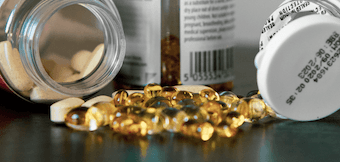
“Less is more.” That’s hardly the usual refrain of conventional Western medicine, which likes to prescribe powerful pharma drugs at relatively large doses to knock out symptoms. Unwelcome side effects are tolerated (by the doctor anyway) if they seem manageable. Well, in the past few years, however, a whole new, and smaller, world has opened up, one prescribing (mostly) prescription drugs at either “microdose” or much smaller than full-strength levels, not to treat full-blown disease, but to gently nudge key biological systems in a healthful direction.
The potential pay-off? Side-effects are either much reduced or virtually imperceptible, and the beneficial effects may spread to a wide swath of our physiology, think things like immune balance, metabolism, brain plasticity, blood flow, and not just one specific disorder. Admittedly, in some cases, the science is still working itself out. But for a handful of compounds, there’s enough evidence, be it research data, biological logic, or real-world clinical experience, to warrant serious interest. Enough so that I’ve been incorporating microdosing in my own practice.
Here’s a topline on five of the most talked about low-dose therapies: naltrexone, lithium, GLP-1 drugs, PDE-5 inhibitors and yes, even psilocybin (aka “magic mushrooms”), what they do, why people use them, and when caution needs to be exercised
Low-Dose Naltrexone (LDN): Turning your immune system down – not off.
One of the ones you may have heard of is naltrexone, which was originally developed to block opioid receptors and reduce addiction cravings. And, at standard doses (50–100 mg), that’s exactly what it does. Fair enough, but, at very low doses, usually around 1 to 4.5 mg a day, what I would consider microdosing, it behaves like a completely different drug.
At these very low levels, naltrexone briefly blocks opioid receptors and then gets out of the way. That short interruption appears to trigger a rebound effect, increasing the body’s own production of endorphins. At the same time, low-dose naltrexone seems to calm overactive immune cells in the brain and body, particularly the microglia, which are heavily involved in chronic inflammation and pain signaling. That’s a potent combo: more endorphins, less inflammatory noise.
Best to think of LDN less as a painkiller or immune suppressant and more as an immune “re-regulator.” That broad reach helps explain why LDN has become popular for conditions like autoimmune diseases (such as Hashimoto’s, multiple sclerosis, and Crohn’s), chronic pain and fibromyalgia, post-viral syndromes, including long COVID and certain inflammatory skin and gut conditions.
What makes LDN especially interesting is how gentle it tends to be. Side effects are usually mild, things like vivid dreams, occasional headaches, temporary sleep disruption may come up, though many people tolerate it quite well long-term. Granted, it’s not a cure-all, and it doesn’t work for everyone, but when it works, it works. In my practice, I’ve had good success using it to treat autoimmune and chronic pain problems, and some clinicians have begun using it as a cancer therapy.
Lithium: A trace mineral with a big brain impact.
Lithium has an intimidating reputation, and for good reason. At the large doses that for years have been prescribed to treat bi-polar disorder, it can affect kidney and thyroid function and requires careful monitoring.
But here’s what most people don’t realize: lithium is also a naturally occurring trace mineral. Tiny amounts are found in drinking water and food, and those tiny amounts appear to matter when it comes to brain function.
When researchers started looking at natural occurring low-level lithium exposure, a surprising pattern emerged. Populations with slightly higher lithium levels in their water supply tended to have lower rates of suicide, depression, and dementia. That observation opened the door to a completely different way of thinking about lithium—not as a blunt psychiatric drug, but as a neuroprotective nutrient.
At low doses (often 1–5 mg of elemental lithium per day), lithium can have a positive impact on a huge range of things: BDNF, or brain-derived neurotrophic factor, that helps keep the noggin sharp; repairing and enhancing the synaptic connections inside the brain; mitochondrial function; inflammation and oxidative stress.
Animal studies have gone even further, showing reversal of Alzheimer’s-like pathology with ultra-low doses of lithium—especially in the orotate form that now shows up in supplements. The human data is small and preliminary but intriguing enough to keep researchers paying attention.
Clinically, low-dose lithium is being used to support everything from mood stability to emotional resilience to mild depression or irritability to cognitive aging to stress tolerance. That’s a lot of waterfront!
At these low doses, lithium behaves less like a drug and more like a missing micronutrient, but it still deserves a conversation with and oversight from your healthcare provider, especially for people kidney or thyroid issues – so no freestyling.
GLP-1’s: At lower doses, they’re about much more than just weight loss.
By now, you’re certainly familiar with the GLP-1 drugs like semaglutide (Ozempic/Wegovy) and tripeptide (Mounjaro/Zepbound) which exploded into the mainstream in the past few years. So why all the fuss? Because they work, often remarkably well, for blood sugar control and weight loss, two big problems for so many people these days. But, as usage and research continues, what’s becoming clearer is that their benefits extend far beyond appetite suppression.
Here’s the deal: GLP-1 receptors are scattered throughout the body: in the brain, heart, blood vessels, kidneys, immune cells, and even bone. When these receptors are activated, a cascade of effects follows—better insulin sensitivity, reduced inflammation, improved mitochondrial function, and favorable changes in cardiovascular risk.
Large clinical trials have now shown that semaglutide reduces major cardiovascular events even in people without diabetes. That alone moves GLP-1 drugs into a whole new category.
Using lower-than-maximal doses is not really microdosing per se, but it is a strategic approach. The idea here is to aim for the lowest dose that delivers metabolic and cardiovascular benefit while, at the same time, minimizing side effects like nausea, fatigue, and muscle loss. I prescribe it for a lot of my patients, often beginning about half the normal starting dose of .5 or 1 mgs, depending on a patient’s unique situation.
What’s so cool about the GLP-1s as super low doses is that their potential rewards are breathtakingly various. Lower-dose GLP-1 therapy may help improve metabolic flexibility, reduce systemic inflammation, lower cardiovascular risk and quiet “food noise” and compulsive eating behaviors, all of which is good news for bodies as they age.
Keep in mind though, the biggest risk here isn’t the drug itself, it’s under-fueling your body. Remember, these drugs have an appetite-suppression effect, which is what you want if you need to lose weight, especially for health reasons. But losing weight also means losing muscle tissue, i.e., the thing you need to fend off frailly in the senior years. So, if you do go the GLP-1 route, with your doc’s OK of course, make sure to pair the GLP1s with adequate protein intake and resistance training. But used wisely, I believe these drugs can meaningfully extend healthspan.
Low-Dose PDE-5 Inhibitors: Blood flow is a longevity issue
Here’s a drug with an interesting upside: the PDE-5 inhibitors. You might be familiar with PDE-5 inhibitor drugs like tadalafil, which is an erectile dysfunction medication. And yes, the PDE-5s do work very well for that.
But it’s how those drugs work that makes them such promising overall health-boosters. These PDE-5 inhibitors improve the signaling of nitric oxide, a chemical carried in the bloodstream that relaxes blood vessels, crucial for smooth blood flow. Better nitric oxide signaling means a more supple and responsive outer layer of the blood vessels, the endothelium.
Beyond that, preliminary research and a growing amount of clinical experience is suggesting a bigger story, including:
- Improved vascular health
- Mild blood pressure reduction
- Better exercise tolerance in some populations
- Improved pulmonary circulation
- Therapeutic support for microvascular conditions like Raynaud’s where fingers and toes “freeze” in response to cold temps
There are even observational studies that indicate that men taking PDE-5 inhibitors may have a lower rate of heart attacks. That’s not proof that the drugs caused the drop but it’s a sign that researchers are on the right track.
At low daily doses, tadalafil isn’t about sexual performance, it’s about keeping the blood flowing evenly throughout the body. But there’s a major caveat here. The PDE-5s should absolutely not be used be people taking nitrate drugs, for instance, nitroglycerin to treat angina. The danger of too-low blood pressure is such that even people naturally prone to low blood pressure should proceed with caution. Taking them under the supervision of a physician is a must, for everyone, no exceptions.
Psilocybin Microdosing: much hope, some hype, and a few questions.
Psilocybin is having a well-deserved moment in mental health research—but it’s important to separate what’s proven from what’s popular.
High-dose psilocybin, used in structured therapeutic settings, has strong evidence for the treatment of depression, end-of-life anxiety, and treatment-resistant mood disorders. That’s where the clearest data live.
Microdosing, we’re talking taking about one-tenth of a psychedelic dose, is a different story. Many people report improved mood, focus, creativity, and emotional resilience. Others report anxiety, brain fog, or no effect at all. Controlled studies show mixed results, with a significant placebo effect playing a role.
So, to be honest, we don’t really know what’s going on just yet. It’s plausible that tiny doses enhance the activity of serotonin, the feel-good brain chemical. It might also promote neuroplasticity, that is, creating or strengthening new pathways in the brain to deal with the world more skillfully. But right now, it’s not clear how much of microdosing’s reported benefit comes from brain chemistry and how much is expectation. For some people, microdosing may feel like a gentle mental tune-up. For others, it may be neutral or even destabilizing.
Just to add to the intrigue, there’s even a recent study that found that psilocybin increased the lifespan of lab mice by over 50%, as well, the life of human cells in vitro. But I should also add that psilocybin remains illegal at the federal level in the U.S. To put it mildly, this is not a one-size-fits-all therapy and it’s not one that I’ve yet seen fit to incorporate into my practice. Stay tuned!
Think small tools, used carefully.
Low-dose drug therapies, including microdosing, aren’t about shortcuts. They’re about precision, as in working with the body instead of overpowering it. Sometimes that works beautifully, sometimes it doesn’t. In many cases, we’re still learning to find the right balance between dose and effect, and in which situations. But we do know a few things for sure: Low dose does not mean risk-free. Early evidence doesn’t always turn out to be proof. Don’t try any pharmaceutical therapy, no matter how small the dosage, without proper medical supervision. And, to date anyway, no drug is as powerful as the lifestyle basics – diet, movement, social connection, stress management. All that said, as medicine moves toward greater personalization, small-dose strategies may become part of a smarter, subtler approach to healthspan—not as replacements for lifestyle, but as carefully chosen allies.