Healthy Aging
Lion’s Mane: The Mushroom That May Put More (Good) Life in Your Years
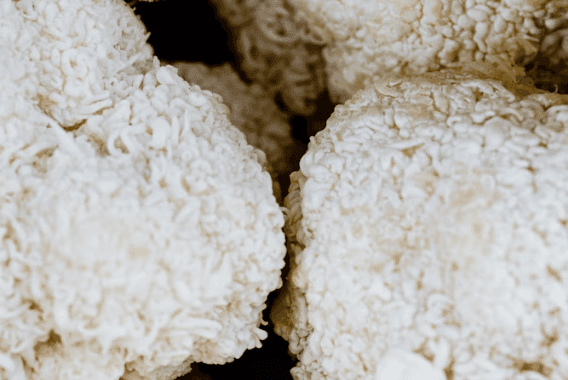
Back in the day, when I was an undergrad, mushrooms were mostly thought of as a tasty addition to soups and spaghetti sauce or, for more adventurous souls, as a psychedelic elixir. Different types of mushrooms for sure – porcini and the ‘magic mushroom’ psilocybe cubensis respectively – but at the time, nobody, save for perhaps a few hard-core hippies, thought of ‘shrooms’ as being a wellness bonanza.
Fast forward a few decades, mushrooms are having a moment. While there are a number of popular ones on the market these days, each with their own health supportive properties (think reishi, chaga, cordyceps, turkey tail, etc.), lion’s mane is one of my favorites, from a healthspan and longevity perspective.
What makes it special is the emerging research showcasing its potential to help support brain health, mood, gut balance, and the cellular defenses that safeguard healthy aging. So, I encourage my patients to get more of this incredibly useful mushroom into their lives, be it in food, powders, capsule form or via mushroom coffees. It’s an easy hack to do now that may pay out big benefits later. Sound interesting? Here’s my topline on lion’s mane, and how to put it to work for your longevity:
Meet your new (mushroom) BFF, lion’s mane.
Lion’s mane is a mushroom that’s been used for centuries in traditional Chinese medicine, most often as a tonic to relieve stress, anxiety and depression. It contains special natural chemicals, called erinacines which appear to encourage the brain’s growth and repair signals – all to the good in my book. Recent studies have highlighted three key mechanisms thought to be powering these positive effects. For starters, it looks to boost nerve growth factors (NGF) and brain-derived neurotrophic factor or BDNF. They help keep your billions of brain cells thriving, promoting the growth of new cells and cell pathways, while strengthening the brain and nerve cells you already have, protecting them from damage caused by stress.
Then there’s lion’s mane’s ability to help calm brain inflammation, and to reduce the “rusting” of cells – oxidative stress – and you’ve got yourself quite a helpful recipe to defend your aging brain. Studies suggest that this mushroom may help nerve cells communicate, stay alive, and recover under pressure, all of which are important for memory, focus, and long-term brain resilience.
Lion’s mane is like a helping hand – for your brain.
Nobody wants to ‘lose their mind’ (or parts of it). Whether you’re reading about rising rates of Alzheimer’s, Parkinson’s and other neurological diseases in the news or witnessing the devastation they’ve wrought amongst older relatives and friends, never has the collective interest in maintaining brain health been higher. So, it’s encouraging to see initial studies backing up the idea that this ‘shroom may be helpful for mild cognitive impairment. A case in point: a recent randomized trial of older adults with mild cognitive impairment found that a sixteen week course of lion’s mane improved cognitive test scores, with scores slipping back after the study participants stopped using it.
Lion’s mane’s impact on mood, focus, and stress
Among the most common complaints I hear from 40 and 50-something patients (and, for that matter, a number of the younger ones too), have to do with low mood, focus problems and, of course, stress. While lion’s mane won’t take them off the table completely, there’s good evidence to support the notion that it can help knock them down a few pegs.
A 2024 review of mushrooms and mental health reports that lion’s mane trials trend toward improved mood and cognitive performance in middle-aged and older adults. Some newer studies show reductions in anxiety or depressive symptoms and increases in BDNF levels after the subjects ingested standardized extracts. Think of lion’s mane as a brain-nurturing add-on that may help you adapt to stressful situations more successfully over time.
Gut health, immunity, and the brain–gut axis
Interestingly, healthy aging isn’t all about your brain. Your gut health matters quite a bit as well. Recent studies show lion’s mane polysaccharides can work as prebiotics, feeding your good bacteria, encouraging short-chain-fatty-acid (SCFA) producers, and lowering gut inflammation – score one (or three) for gut health! Because SCFAs like butyrate send signals to both your brain and your immune system, a better-balanced microbiome may be one way lion’s mane improves mood and cognition. Granted, more research needs to be done, but the gut-support theme keeps popping up in many of the latest studies, making lion’s mane a promising gut-health enhancer.
The longevity angle: inflammation, oxidative stress, and “cell housekeeping”
Aging cells all share the same major troublemakers: low-grade inflammation, oxidative stress, worn-out mitochondria, and a clogged-up protein disposal system. Lion’s mane looks to offer a helping hand here, according to a 2024 review of medicinal mushrooms which highlighted the species, thanks to its neuroprotective and antioxidant effects in animal models of age-related brain disease.
Another study pointed to ergothioneine, an amino-acid antioxidant found in a number of different mushrooms, as a possible “longevity vitamin,” noting that the edible parts are relatively rich in protective compounds. It’s not proof that lion’s mane extends life per se, but it does look to help keep tissues flexible, less inflamed, and better at self-repair as we age. That’s a big healthspan plus.
Alzheimer’s, Parkinson’s and the aging brain – cautious optimism
Wish it were otherwise but, as yet, no supplement has been proven to prevent, slow down or cure Alzheimer’s or Parkinson’s (if only). But there is hope, based on recent reports from groups like the Alzheimer’s Drug Discovery Foundation, that lion’s mare is worth testing in larger studies – there are strong theoretical arguments for its benefits and it’s performed well in small studies. They also report good tolerability, but note that the positive effects of lion’s mane tend to fade after stopping. If taking it helps you focus or recall names, expect it to work only as long as you take it.
Lion’s mane can help hearts and metabolism run a bit better.
The lion’s mane story doesn’t end at the brain and gut – it radiates out to your heart and your metabolism, other crucial areas where you want to slow down aging. Here too, lion’s mane helps by calming inflammation and nudging your mitochondria to work more smoothly. That can mean more efficient energy production, less oxidative stress, healthier blood vessels – just what you need to keep heart and metabolism in good working order, contributing to an enhanced healthspan. We don’t have large clinical trials to prove it just yet, but the argument makes a lot of sense.
Do lion’s mane like a boss.
Lion’s mane is generally well tolerated but some folks may experience minor side effects like mild GI upset, nausea or skin rash. Because immune-modulating mushrooms can interact with autoimmune conditions and immunosuppressive therapies, check with your doc to get the all-clear first. As there’s not a lot of data on lion’s mane and pregnancy or lactation, probably best to avoid in those situations. And, of course, if you’re allergic to mushrooms, you’ll want to give them a hard pass. For everyone else: follow label dosing instructions, start low, go slow, and see how you feel.
Always avoid mega dosing, and follow your doc’s advice, as lion’s mane is best used as a steady-as-you-go supplement – it’s a supporting actor, not the lead in your healthy aging story.
Remember, no capsule or powder will override the fundamentals though. Regular sleep, plenty of movement, plant-rich meals, omega-3s, social engagement and stress management are still the strongest drivers of long-term brain and vascular health. But stack stacking up all those good habits, with a side of lion’s mane and you’ll be helping to build an excellent longevity foundation.
Shop for the good stuff.
When you hit the supplement aisle, keep in mind the following pro lion’s mane shopping tips so you can pick an option with the most bang for your longevity buck. Look for:
- Active compounds: Check the label for declared beta-glucans or polysaccharide percentages; erinacine/hericenone amounts are a plus
- Extraction method: Hot-water or dual (water + alcohol) extractions pull out more of the good stuff
- Purity: Opt for organic, non-GMO products, tested for heavy metals, microbes, and pesticides
- Fruiting body vs. mycelium: Go for ‘fruiting-body’ products, meaning the above-ground caps or stems (rather than the mycelium, which aren’t quite as good), as the fruiting body products have higher levels of the compounds linked to lion’s mane’s cognitive benefits. A high-quality version will usually say something like “100% organic fruiting body extract” or “standardized to X% beta-glucans” on the label so keep an eye out
- Clear labeling: Labels should state which part of the mushroom is used, the dose, and standardization; avoid vague “mushroom blends”
- Know the form you’ll actually use: Capsules are convenient; powders let you mix into food or drinks—consistency matters most, so choose the method that works best with your daily routine
- Brand transparency: Reputable brands clearly show sourcing, testing, and extraction details on their website or label – so look for the details – they matter!
- GMP certification: “Made in a GMP facility” (Good Manufacturing Practices) which is an indicator of consistent, quality manufacturing standards, so you know you really are getting the good stuff.
BOTTOM LINE: No matter how many years you have in the rear view, from a healthy-aging perspective, lion’s mane checks many meaningful boxes: supporting brain-growth signals, calming brain inflammation, bolstering antioxidant defenses, and steering the gut microbiome in a friendlier direction.
Keep in mind, though lion’s mane hasn’t been fully shown to be a miracle (yet), you can still think of it as a gentle contributor to a potentially better healthspan. And all those evidence-based healthy habits we stack up when added with lion’s mane can add up to something incredibly powerful: more good years where our brain are clear, moods are steady, and our cells can keep pace with the good life we all want to live.