Health Coach Tips
Health Coach Tip - Your Mitochondria on the Mediterranean Diet
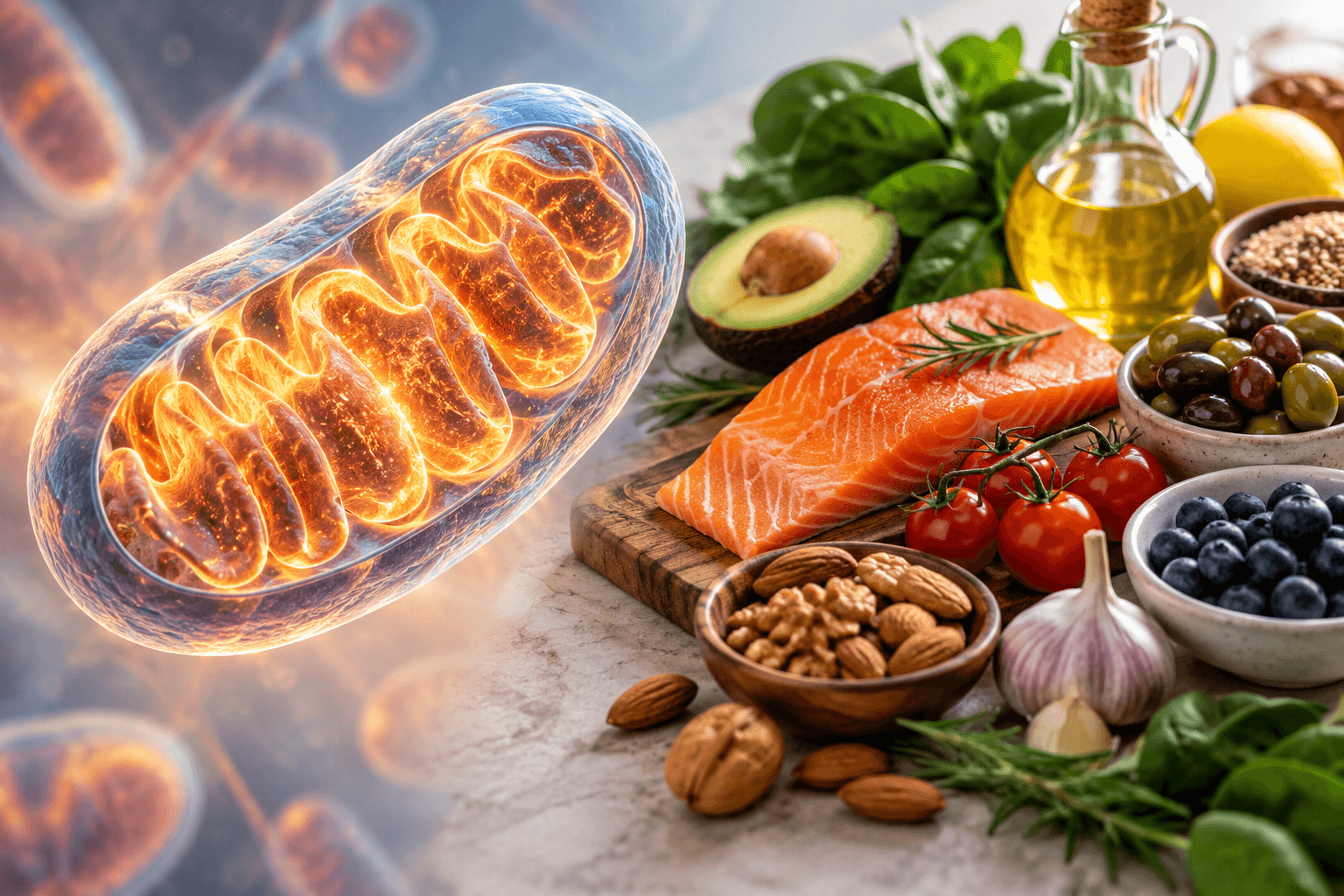
If you're a longevity enthusiast, you're likely familiar with the Mediterranean diet. The Mediterranean diet has long been associated with better cardiovascular and metabolic health and lower risk of several chronic diseases. But researchers are increasingly interested in why it has these effects. One part of that answer may be your mitochondria—the tiny structures inside your cells responsible for producing energy, responding to cellular stress, and sending signals that influence how cells function and age.
What is the Mediterranean Diet?
The Mediterranean diet isn't really a "diet" in the restrictive sense. It's an eating pattern inspired by the traditional diets of Mediterranean regions.
It emphasizes vegetables, fruits, legumes, nuts, seeds, whole grains and extra-virgin olive oil, along with moderate amounts of fish and dairy. Red and processed meats, refined carbohydrates, added sugars and highly processed foods are generally limited.
One reason this pattern has received so much attention in longevity medicine is that it delivers a broad combination of fiber, protein, unsaturated fats, vitamins, minerals and plant compounds rather than relying on any single "superfood."
3 ways the Mediterranean Diet may support your mitochondria
Mitochondrial dysfunction is one of the biological processes associated with aging. The Mediterranean diet's benefits for healthy aging may be mediated through mitochondrial pathways—including oxidative stress, inflammation and mitochondrial function.
It may influence mitochondrial longevity signals.
Humanin and SHMOOSE are mitochondrial-derived microproteins that act as signaling molecules, highlighting that mitochondria do much more than simply produce energy. These peptides are thought to play roles in cellular stress responses, metabolism and healthy aging. In a 2026 study of older adults, researchers found that greater adherence to a Mediterranean diet was associated with higher circulating levels of both Humanin and SHMOOSE. Higher Humanin levels were associated with greater consumption of olive oil, fish and legumes, while higher SHMOOSE levels were associated with olive oil and lower white-bread intake. Because the study was observational, it can’t prove that these foods directly increase the peptides, but the findings raise an intriguing possibility: the Mediterranean diet may support some of the mitochondrial signaling pathways involved in healthy aging.
2. It may help reduce excessive oxidative stress and support mitochondrial function.
Mitochondria naturally produce small amounts of unstable oxygen molecules as they turn food into energy. These are often called “reactive oxygen species,” or ROS for short. In normal amounts, they actually help with important cell signaling. But when too many build up, they can overwhelm the body’s defenses and contribute to damage in proteins, fats, and DNA—this is what’s known as oxidative stress. A 2026 meta-analysis of 20 randomized trials involving 2,208 participants found that the Mediterranean diet improved several measures related to oxidative stress and the body’s antioxidant defenses.
Extra-virgin olive oil, vegetables, berries, nuts, herbs and other Mediterranean staples provide polyphenols and other bioactive compounds. Experimental research suggests these compounds can influence mitochondrial antioxidant defenses, respiration and the production of mitochondrial ROS.
3. It may create a healthier metabolic environment for your mitochondria.
Mitochondria sit at the center of energy metabolism. A dietary pattern rich in fiber and unsaturated fats and relatively low in refined carbohydrates is associated with better cardiometabolic health. The Mediterranean diet's effects on inflammation, glucose regulation and lipid metabolism may therefore help create conditions in which mitochondria can function more efficiently.
The takeaway?
Eating Mediterranean isn't simply about protecting your heart or maintaining a healthy weight. The foods you eat may be communicating with some of the smallest—and most important—structures inside your cells.
For longevity, that's another compelling reason to fill your plate with healthy proteins, colorful plants, legumes, nuts and seeds, use extra-virgin olive oil generously, choose minimally processed foods, and keep refined carbohydrates and added sugars to a minimum.