Health Coach Tips
Health Coach Tip: Cardiolipin—The Mitochondrial Fat Almost Nobody Talks About
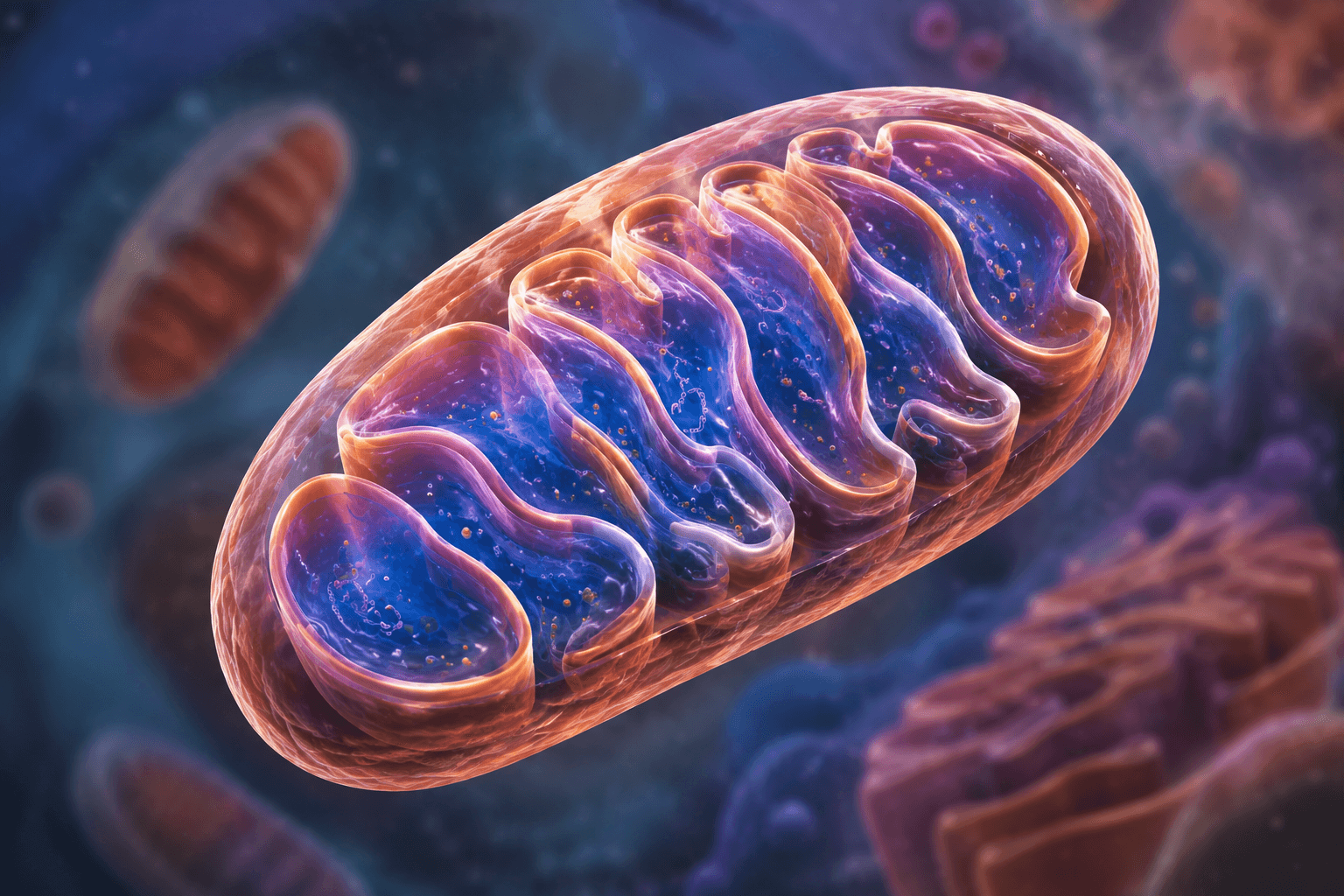
When conversations turn to healthy fats, most people think of omega-3s. Few have heard of cardiolipin—a unique fat that lives inside your mitochondria and plays a surprisingly important role in healthy aging.
What is cardiolipin?
Cardiolipin is a specialized phospholipid found almost exclusively in the inner membrane of mitochondria—the tiny power plants inside your cells.
Its job is to help organize and stabilize the protein complexes that produce ATP, the body's primary energy currency.
Without healthy cardiolipin, mitochondria become less efficient, produce more oxidative stress, and generate less energy.
Researchers have linked damaged cardiolipin to aging as well as cardiovascular disease, neurodegenerative diseases, and metabolic dysfunction.
Why it matters
Every organ depends on mitochondria, but organs with the highest energy demands—such as the heart, brain, and muscles—appear particularly sensitive to cardiolipin damage.
Maintaining healthy cardiolipin may help preserve:
- Cellular energy production
- Muscle function
- Heart health
- Brain performance
- Healthy aging
5 ways to support healthy cardiolipin
While scientists are still learning how to preserve cardiolipin throughout life, many of the same habits that protect mitochondria also appear to help maintain cardiolipin integrity and function.
1. Exercise regularly
Both aerobic and resistance exercise stimulate mitochondrial turnover, encouraging your cells to replace damaged mitochondria with healthier ones. This process helps preserve the mitochondrial membranes where cardiolipin resides.
2. Eat plenty of polyphenol-rich foods
Oxidative stress is one of cardiolipin's biggest enemies. Polyphenols found in berries, extra-virgin olive oil, green tea, cocoa, herbs, and colorful vegetables help reduce oxidative damage that can alter cardiolipin and impair mitochondrial function.
3. Prioritize whole-food sources of essential fats
Cardiolipin itself isn't an omega-3 fat, but healthy omega-3 fats help maintain the structure and fluidity of cell and mitochondrial membranes. Fatty fish, walnuts, flaxseed, chia seeds, and algae-derived DHA are all excellent choices. Healthy cardiolipin is particularly rich in linoleic acid, an essential omega-6 fatty acid that helps give this mitochondrial membrane its unique structure and function. Because linoleic acid is an essential component of healthy cardiolipin, it's important to consume adequate amounts through whole foods such as walnuts, hemp seeds, tempeh, tofu and sunflower seeds.
4. Practice metabolic flexibility
Periods between meals, regular physical activity, and avoiding constant overeating reduce metabolic stress on mitochondria. This supports healthy mitochondrial maintenance and may help protect cardiolipin from chronic oxidative damage.
5. Prioritize quality sleep
During sleep, your body performs essential cellular repair. Consistently getting seven to nine hours of quality sleep helps support mitochondrial maintenance, reduce inflammation, and protect the structures that produce cellular energy.
Looking ahead
Researchers are also investigating therapies that directly target cardiolipin. One experimental compound, elamipretide, has shown promise in early clinical trials by binding to and stabilizing cardiolipin within mitochondria. Although it is not currently approved for routine clinical use, the research highlights just how important cardiolipin may be for healthy aging and future longevity medicine.
By supporting this specialized mitochondrial fat through exercise, nutrition, sleep, and metabolic health, you're helping maintain the tiny power plants that fuel nearly every cell in your body—a key foundation for healthy aging.