Healthy Aging
4 Theories of Aging – and How to Start Making Choices to Help Slow the Pace
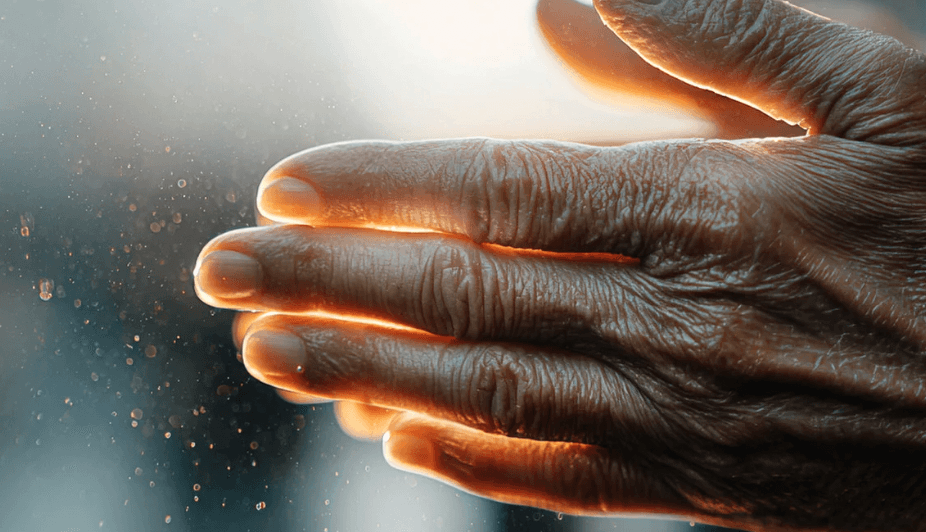
When we’re young, our cells grow, thrive, and bounce back quickly from adversity. Over time, though, our systems begin to show the effects of natural wear and tear. Repairs take longer, so does recovery. Energy doesn’t feel as abundant. What’s going on? In a word: aging — which, as the World Health Organization puts it, results from the “accumulation of a wide variety of molecular and cellular damage over time,” leading to a gradual drop in physical and mental capacity, a higher risk of disease, and eventually, death.
Still, as I often say, aging is a privilege. Yes, some aspects don’t always feel that way — lines and wrinkles, muscles that aren’t as pumped as they once were, thinning hair — but these are simply gentle reminders that time is doing what time does to us all. Beneath the surface, something deeper is happening: all 37 trillion of your cells are aging right along with you. That can feel a little unnerving, but here’s the good news — once you understand why aging happens, you can start making choices that help slow the pace and support better healthspan and longevity. Aging doesn’t have to be a runaway train. So, how do you nudge it onto a slower track? Here’s a topline look at what’s happening inside your cells, and a few thoughts on what you can do now to support many more vibrant tomorrows.
The mystery of aging — and four theories on why it happens.
Longevity science has exploded over the past decade, and with it, our understanding of what aging actually is. Instead of thinking of it as an unavoidable “things just fall apart” process, aging turns out to have layers: part information management, part repair and recovery, part biochemical damage, and part the ability of cells to make enough energy.
All these pieces connect. And new research suggests that the things we do every day, like how we eat, move, sleep, and deal with stress, can influence these processes more than we once realized.
But first, let’s take a look at what I would say are the four most important mechanisms on how and why we of age.
- Aging as an “information” problem.
Think of your body as a well-designed biological computer. Your DNA is the hardware — the physical wiring. The software is everything else, including the epigenome, the tiny switches that tell genes when to turn on or off. Your hardware stays mostly intact for much of your life, but the software gradually gets “buggy.” Instructions become less clear, get scrambled, or are interpreted incorrectly.
Scientists have found that certain chemical tags on DNA, called methylation marks, change in predictable patterns as we age. When you look at these patterns, they form what are known as “epigenetic clocks.” These clocks don’t just roughly correspond to your chronological age; they also give clues about how quickly your body is aging on the inside.
A 2025 study in Nature Aging showed that tweaking just a few age-linked DNA sites can disrupt entire methylation patterns, suggesting these marks genuinely matter. A 2024 study in Aging-US found that the gradual “drifting” or disorder of these patterns is a core part of what these clocks measure, meaning these changes aren’t random, but reflect real shifts inside our cells as we age.
So, what does this “information problem” mean in everyday life?
As the epigenome gets messier with time, cells may start misreading their instructions. Repair jobs slow down. Energy processing becomes less smooth. Even stem cells — the ones that keep tissues fresh — can lose some of their spark. The DNA itself usually isn’t broken; the guidance system around it just isn’t as sharp. And that shows up in familiar ways: slower healing, fatigue, more inflammation, brain fog — those subtle reminders that the body’s systems aren’t running quite as crisply as before.
It’s important to note that, while epigenetic changes line up closely with aging, researchers can’t say with complete certainty just yet that they cause aging directly. They may drive parts of it or simply reflect what’s happening beneath the surface. Either way, the evidence strongly suggests they play a meaningful role.
- Aging as a maintenance or repair problem.
Another big part of the story is your body’s built-in “repair crew.” Every day, your cells have to clean up small messes, fixing bits of DNA, clearing out damaged proteins, recycling worn-out cell parts, and keeping your immune system alert. When we’re younger, this crew is fast and efficient. You cut yourself and it heals virtually overnight. You do a hard workout and bounce right back. That’s the youthful cleanup team at work. But over the years, that crew starts to fall behind. Though they’re still working hard, they just can’t keep up with the steady drip-drip-drip of small problems. A 2024 review in Cell Communication and Signaling backs up this idea, with findings showing that DNA repair capacity drops as we age, and that this decline leads to genomic instability — a major hallmark of aging. And a 2023 review in Frontiers in Aging notes how lingering DNA damage in immune cells seems to play a big role in the weakening of our immune system over time.
If you think about aging in everyday terms, the maintenance-and-repair issue makes sense. Even if you live a healthy life, tiny bits of damage still happen. When you’re young, your repair systems wipe the dings away without you even noticing. But, as you get older, those fixes slow down. The damage starts to pile up faster than it can be cleared. That’s when you start to feel the difference: slower healing, more stiffness, less energy, a weaker immune system, and just a general sense that your body isn’t bouncing back quite like it used to.
But while declining repair systems are a big part of aging, they’re not the whole story.
- The “free radical” or oxidative damage perspective.
Another long-standing idea about aging -- it’s one you’re probably familiar with -- focuses on oxidative stress. Think of it as the tiny sparks that fly off during normal metabolism. Every time your cells make energy, they also create ‘reactive oxygen species’ (ROS). These ROS molecules aren’t “bad” by themselves; your body actually uses them for (among other things) sending quick chemical messages back and forth between cells. But too many of them can damage DNA, proteins, fats, and even the mitochondria that made them.
For decades, the thinking was, “free radicals cause aging, so more antioxidants must fix it.” Rational enough idea but, unfortunately, science hasn’t really backed it up. Though antioxidants are good for you in a number of other ways, taking a bunch of antioxidants hasn’t been shown to keep people younger. Still, the heart of the theory holds up: too much oxidative stress does seem to play a meaningful role in aging.
But what we know now is that oxidative stress fits into a bigger pattern. For example, a 2024 review in Frontiers in Physiology highlights how oxidative stress and mitochondrial trouble often arise together with age, each making the other worse.
- Aging as mitochondrial (energy) dysfunction.
Mitochondria are often called the energy “powerhouses “of your cells, but their role in aging goes far beyond making energy. As the years go by, these tiny structures can collect mutations in their own DNA, lose some of their electrical charge, get less efficient at clearing out damaged parts, and leak more reactive oxygen species (ROS).
A 2024 review in Frontiers in Physiology reported that mitochondrial decline influences aging because mitochondria help manage energy production, oxidative balance, and even calcium levels inside cells. Another 2024 paper in Signal Transduction and Targeted Therapy found that mitochondria play central roles in several major hallmarks of aging and explores potential therapies that may help improve how they function.
The big picture is this: when mitochondria age, cells don’t produce energy as efficiently and do produce more harmful by-products. With less energy, repairs slow down. With more ROS, damage increases. And weakened mitochondria becomes a vicious circle – the damage begins to feed on itself. No surprise, mitochondrial health is a key part of the aging story.
The four theories paint a fuller aging picture.
When you put these ideas side by side, aging starts to look less like one big failure and more like a handful of systems slowly slipping out of sync. Think of your body as a mix of “software” (the instructions your cells follow), energy factories (your mitochondria), repair crews (the systems that fix everyday damage). Over time, those cellular instructions get a little fuzzy -- the “software” doesn’t run as cleanly as it once did. Then the mitochondria falter and the body’s repair crews can’t keep up with ROS waste products being spewed out. Small bits of damage begin to stack up. Eventually, you see the familiar signs of aging, like slower healing, weaker muscles, a less resilient immune system, and more inflammation.
This interconnected view helps explain why aging is so tricky to pin down. It’s rarely one thing going wrong but many processes amplifying one another. It’s a useful model, even though scientists are still working out many of the details.
Aging isn’t a thing of the past just yet.
While all the scientific discoveries coming to light virtually every day are incredibly exciting to all of us in the longevity field, it’s also important to stay grounded. A lot of what we know comes from animal or cell studies, and translating all of that into humans takes time. We have great biomarkers, like epigenetic clocks and mitochondrial measures, but none perfectly predict or reverse aging in humans yet (though we are getting closer every day). And while each the four theories of aging has strong evidence behind it, none of them fully explain aging on their own. There’s still a lot to learn.
Take action now to upgrade your aging process.
Even so, there’s good news here: aging isn’t completely out of our hands. The way we live can nudge many of these processes in a healthier direction. Eating well, moving your body regularly, managing stress, getting quality sleep, and steering clear of processed foods all seem to support healthier epigenetic patterns. Limiting exposure to unnecessary toxins, keeping inflammation down, and supporting your immune system may also help reduce DNA damage over time. And habits like exercise, sleep, and nutrient-dense meals are strongly linked to better mitochondrial health.
We can’t stop aging, but we can influence how smoothly we move through it by keeping our inner “software” clearer, our cellular “power plants” stronger, and our repair systems as active as possible.
In everyday terms, aging isn’t caused by one single thing. It’s many small shifts and things slowly going wrong together and adding up over time, which also means there are many places to intervene. The goal is simple: keep the instructions running cleanly, keep energy production steady, support your repair systems, and limit avoidable damage. Though there’s no ‘magic bullet’ yet, but the science is clear that how we live today shapes how gracefully we age tomorrow.